
Hardwired Alarm Installation
Smoke & CO Alarm Installation in East London & Essex
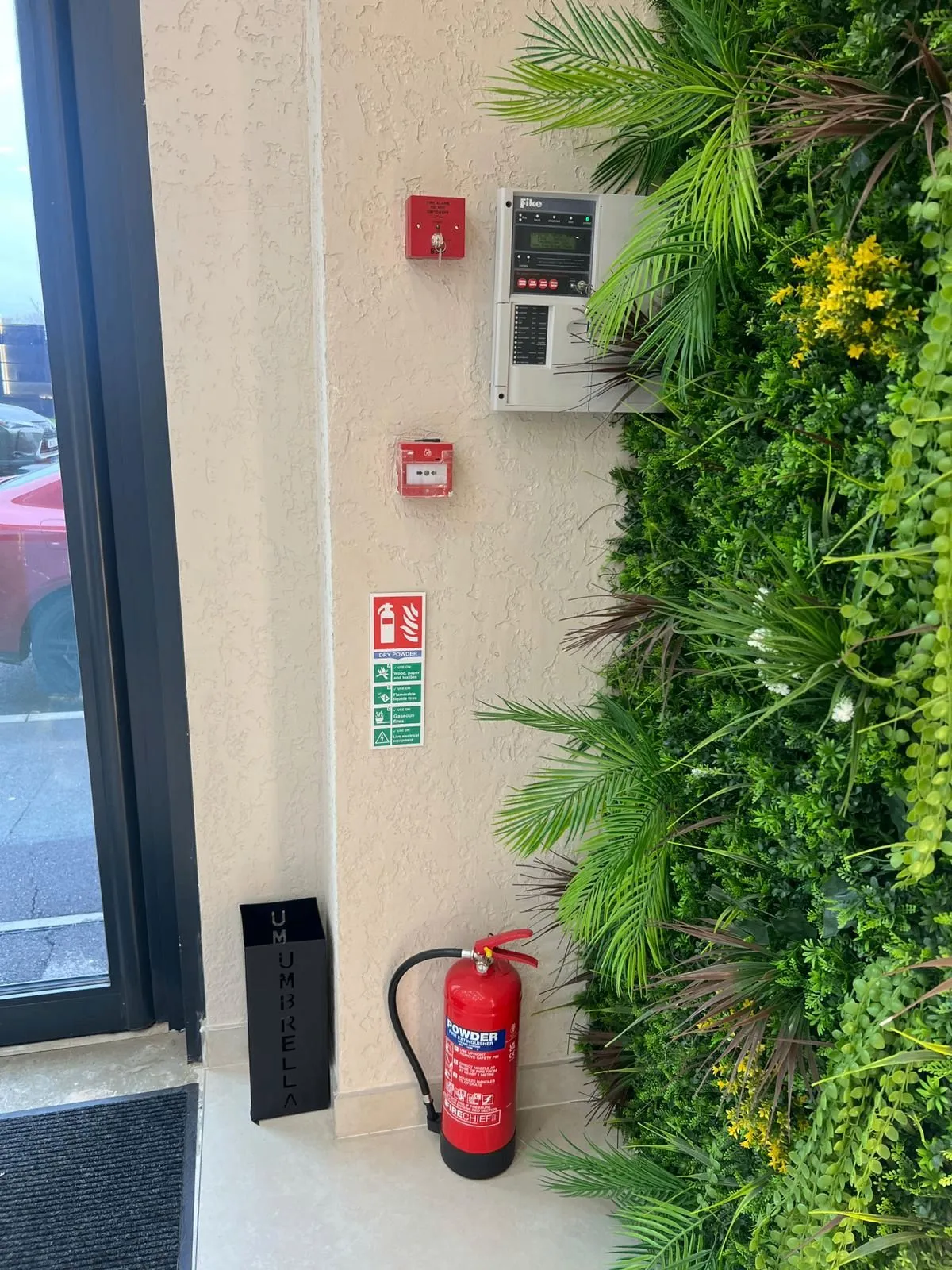
Mains-powered, interlinked smoke, heat and carbon monoxide alarms for homes and rental properties. PowerArc installs and tests them so you meet the rules and everyone gets earlier warning.
- Qualified electricians, work certified to BS 7671
- Fixed quote agreed before any work starts
- Covering East London & Essex from Hornchurch
- Qualified electriciansWork certified to BS 7671
- 24/7 emergency lineDay, night and weekends
- Fixed quotesAgreed before work starts
- Local to youBased in Hornchurch, RM11
A smoke alarm only helps if it is working, in the right place and loud enough to wake you. Hardwired alarms run from the mains with a battery back-up, and interlinking means that when one sounds, they all sound. PowerArc installs and tests these systems for homeowners and landlords across East London and Essex, advises on the right grade and layout for the property, and leaves you with a record of what was fitted and where.
Why Choose Mains-Powered, Interlinked Alarms
Battery-only alarms fail quietly when the battery goes flat or is removed after a false alarm. Mains-powered alarms draw their power from the lighting or a dedicated circuit and carry a back-up battery for power cuts, so they keep working. Interlinking, either by cable or by radio, means a fire in the kitchen sets off the alarm on the landing, which matters when you are asleep upstairs. For flats, houses with several floors and rental properties, this is the sensible standard to work to.
Smoke, Heat and Carbon Monoxide: Which Do You Need?
Smoke alarms are best in hallways, landings and living rooms, where they detect fire early. Kitchens produce steam and cooking fumes, so a heat alarm there avoids the false alarms that lead people to disable detectors. Carbon monoxide is a colourless, odourless, poisonous substance produced by faulty or poorly ventilated fuel-burning appliances, and a CO alarm is the only way to detect it. We recommend a combination that matches how each room is used, and explain why each device sits where it does.
What we cover
Smoke & heat alarms: what's included
- Hardwired smoke alarms
- Interlinked alarm systems
- Kitchen heat alarms
- Carbon monoxide alarms
- BS 5839-6 Grade D1 systems
- Landlord compliance installs
- Alarm testing and records
- Old alarm replacement
- Loft conversion alarms
- Multi-storey home coverage
What Landlords in England Must Do
Under the Smoke and Carbon Monoxide Alarm (Amendment) Regulations 2022, a landlord in England must provide a smoke alarm on every storey of the property used as living accommodation, and a carbon monoxide alarm in any room used as living accommodation that has a fixed combustion appliance, excluding gas cookers. Alarms must be checked as working at the start of each tenancy and repaired or replaced if reported faulty. Local councils can issue penalties for breaches, so it pays to get this right.
Grades and Categories Explained
BS 5839-6 is the British Standard for fire detection in homes. It describes the type of equipment, called the grade, and the extent of coverage, called the category. Grade D1 means mains-powered alarms with a tamper-proof built-in battery back-up. Category LD2 covers the escape routes and the rooms with the highest fire risk, such as the living room and kitchen. Grade D1 LD2 is a common specification for a good-quality home system, and we can go higher where the layout or occupants call for it.
Choosing the Right Level for Your Property
A small flat may be well served by a modest layout, while a three-storey house, a loft conversion or a house in multiple occupation may need more devices and additional interlinked sounders. Anyone who sleeps with their door closed, uses sleep aids or has impaired hearing may benefit from alarms in bedrooms or specialist sounders. We talk through your situation and recommend a layout, rather than fitting the same number of alarms in every home.
How the Installation Works
We survey the property, agree the positions and run cable from the lighting circuit or a suitable supply. Alarms are mounted, interlinked and connected, then tested individually and as a system to confirm every unit sounds together. Disruption is usually limited to a few cable routes and the odd small hole, and most homes are completed in a day. In older houses around Romford, Upminster and Barking we work carefully around plaster, coving and decorative ceilings.
Testing, Maintenance and Replacement
Test your alarms regularly by pressing the test button, and vacuum the vents gently to keep dust from causing false alarms. Smoke and CO sensors do not last forever, and manufacturers typically recommend replacing alarms at around ten years, so check the date printed on the back. When an old unit reaches that age, we can swap it for a new compatible alarm. If the alarms keep triggering without cause, tell us and we will investigate the wiring and positioning.
What We Do and Do Not Cover
PowerArc installs and tests the alarms, including carbon monoxide alarms, and provides a record of the work. We do not service or repair fuel-burning appliances, so if your CO alarm sounds, switch off the appliance if it is safe, open windows, leave the building and call the emergency services. We work for homeowners and landlords in Hornchurch, Ilford, Dagenham, Wanstead, Loughton, Brentwood and nearby areas, with a fixed quote before work starts.
24/7 emergency electrician
No power, a burning smell or sparking socket?
Switch off at the fuse board if it's safe to, then call us. Our emergency line is answered day and night, every day of the year.
Questions
Smoke & heat alarms FAQs
Do landlords have to fit carbon monoxide alarms?
In England, landlords must fit a CO alarm in any room used as living accommodation that contains a fixed combustion appliance, excluding gas cookers. They must also have a smoke alarm on every storey used as living accommodation.
How many smoke alarms do I need in my house?
At minimum, one on each storey used as living space for rental homes. For better protection, we usually fit alarms in the hall, landing and main living areas, with a heat alarm in the kitchen. We recommend a layout after a survey.
What is the difference between mains and battery smoke alarms?
Mains alarms are wired into the property supply with a back-up battery, so they keep working during a power cut and cannot easily be left without power. Battery-only alarms rely on someone remembering to check and replace the battery.
What does Grade D1 LD2 mean?
It comes from BS 5839-6. Grade D1 means mains-powered alarms with a sealed back-up battery, and category LD2 means coverage of escape routes and the rooms where fire is most likely to start. It is a common specification for homes.
How long do smoke alarms last?
Most manufacturers recommend replacing smoke and heat alarms at around ten years. The manufacture or replace-by date is printed on the unit. Replace them sooner if they fail a test or keep false alarming.
How long does it take to install hardwired alarms?
Most houses and flats take around a day, depending on size, layout and how many alarms are needed. We will tell you the likely time when we quote, and we test every alarm before leaving.
Helpful guides
Before you book: answers to common questions
Related services
Often booked with Smoke & heat alarms
24/7
Emergency electrician
Power loss, tripping, burning smells or sparking sockets. Our dispatch line is answered day and night.
View serviceDiagnostics
Fault finding
Tripping breakers, dead circuits and flickering lights traced to the cause and repaired.
View serviceTesting
EICR & electrical testing
Electrical Installation Condition Reports for homes, landlords and businesses, with clear remedial quotes.
View serviceWhere we work
Smoke & heat alarms across East London & Essex
Based on Hornchurch High Street, our electricians cover these areas every week.
Talk to an electrician
Tell us what you need. We'll come back with a fixed quote.
Call, WhatsApp or send the quick form. A qualified electrician looks at every request, not a call centre.