Quick answer
A smoke alarm that chirps once every 30 to 60 seconds usually has a low battery, including the backup battery in a mains-powered alarm, or has reached the end of its life, which is typically about 10 years. Dust, insects and steam can also cause beeping. Replace the battery or the whole alarm rather than leaving the home without working alarms.
Never remove the battery and leave an alarm silent, because a disabled alarm cannot wake you in a fire; if there is any sign of smoke or fire, get everyone out, stay out and call 999.
What does it mean when a smoke alarm chirps every 30 to 60 seconds?
A single short chirp repeated every 30 to 60 seconds is a fault or warning signal, not a fire signal. A real alarm is a continuous, loud pattern of beeps and usually keeps going until the smoke clears or you silence it.
The most common reasons for a regular chirp are a low battery, an alarm that has reached the end of its working life, or a sensor clogged with dust or insects. Which one applies depends on the type of alarm you have, and the sections below help you work through them in order.
Is it a low battery?
A low battery is the most likely cause. Battery-only alarms chirp when the cell is running down, and the chirp often starts in the middle of the night because a drop in temperature slightly reduces the battery's output.
Mains-powered alarms are not immune. Most hardwired alarms have a backup battery that keeps them working during a power cut, and they chirp when that backup battery is flat, missing or fitted incorrectly. A newly installed alarm may chirp if the battery tab or backup cell has not been fitted properly.
Alarms with a sealed battery, often sold as ten-year alarms, work differently. The battery cannot be changed, so a low battery chirp means the whole alarm needs replacing.
- Check the type of battery your alarm takes in the maker's instructions or on the label.
- Fit a fresh battery of the correct type and make sure it clicks in properly.
- Press the test button afterwards to confirm the alarm sounds.
Has the alarm reached the end of its life?
Smoke alarms do not last forever. Most are designed to work for about 10 years, because the sensor gradually becomes less reliable. Many models are built to chirp, sometimes with a different pattern, when they reach the end of that period.
Look for a manufacture date or a replace-by date printed on the back or side of the unit. If the alarm is older than the maker recommends, replace it even if it still seems to work. A fresh battery in an expired alarm does not make it dependable.
If you cannot find a date or are unsure how old the alarm is, treat that as a reason to replace it rather than a reason to carry on.
Could dust, insects or steam be setting it off?
Dust and small insects can get inside the sensing chamber and cause false alarms or intermittent chirping. Gently vacuuming around the vents of the alarm with a soft brush attachment, following the maker's instructions, often cures it.
Steam and cooking fumes are another common trigger. An alarm in a hallway next to the kitchen or bathroom may go off whenever someone has a hot shower or burns toast. Moving the problem away from the alarm is not usually an option, but the type of alarm can be changed.
In kitchens, a heat alarm is usually the better choice. It responds to a rise in temperature rather than smoke, so it is far less likely to be set off by cooking, while still giving warning of a real fire. Optical smoke alarms are also less prone to cooking false alarms than ionisation types.
Why is one alarm beeping in an interlinked system?
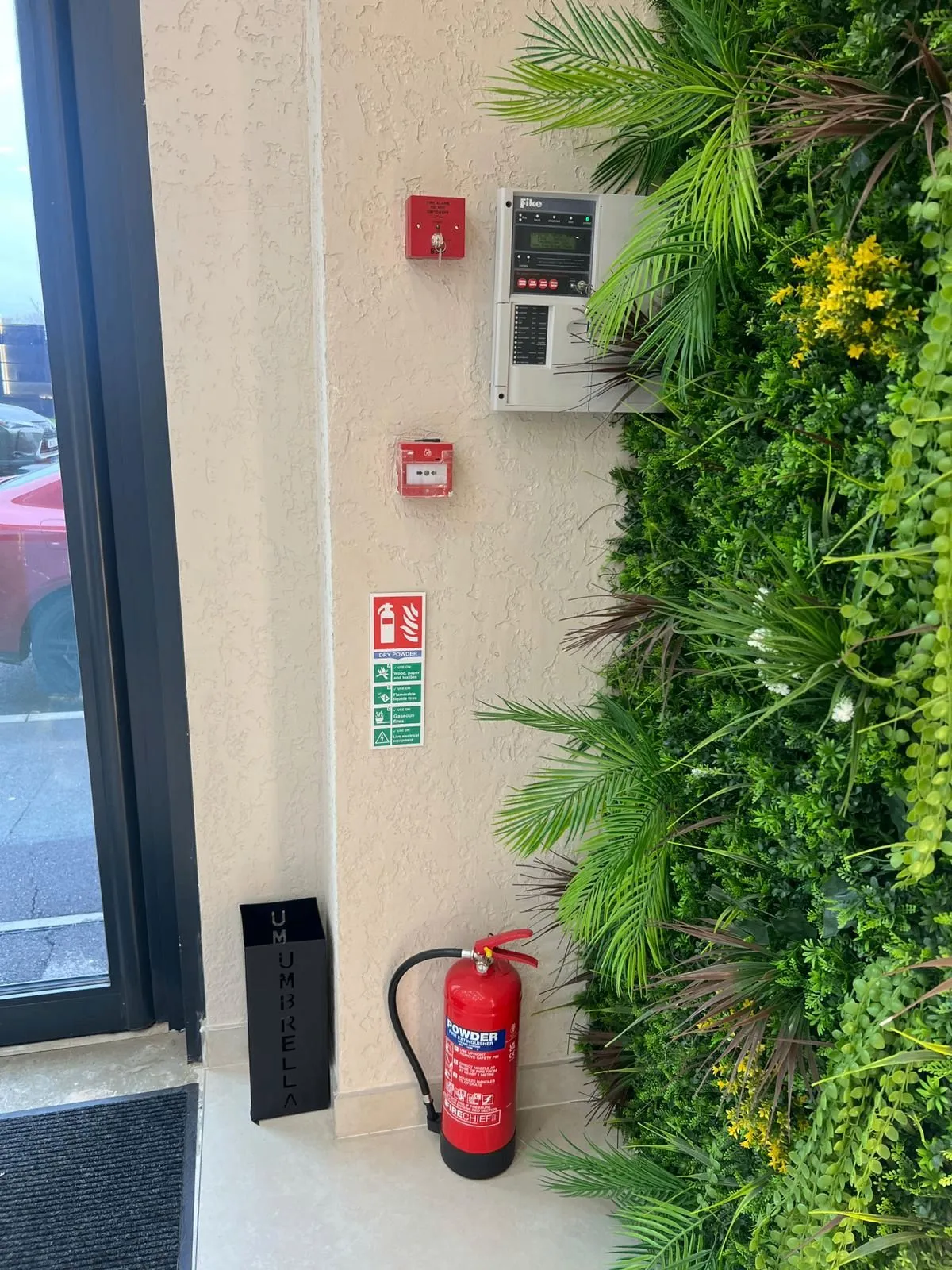
In many homes the alarms are interlinked, so when one detects smoke every alarm sounds. This is useful in a real fire, but it makes it hard to find the alarm that started the problem.
The alarm that triggered usually behaves differently from the others. On many models it has a flashing light, often a different colour or speed from the rest, while the others only sound. Check each alarm in turn, and check the manual for what the lights mean on your brand.
Note that chirping from a low battery or end-of-life fault is usually only from the faulty alarm, not the whole system. If the chirp seems to come from the ceiling but you cannot see which unit, listen for it from a chair or steady steps while the house is quiet.
How do I stop it beeping safely?
Work through the steps in this order, and stop as soon as the beeping stops:
- Check there is no smoke, burning smell or fire. If there is, leave and call 999.
- Press the hush or silence button if the alarm has one. This quietens a nuisance alarm for a short time but does not fix a fault.
- Open a window or door if steam or cooking fumes caused it.
- Replace the battery with a fresh one of the correct type, or replace the whole alarm if it is sealed or past its replace-by date.
- Test the alarm with its test button and confirm every alarm in an interlinked system sounds.
What should I not do?
Do not take the battery out and leave the alarm without power. It is tempting at 3am, but a disabled alarm gives no warning if a fire starts. If you have to remove an alarm briefly, put it back or replace it the same day.
Do not cover an alarm or paint over it, and do not ignore a repeated chirp in the hope it stops. It will not fix itself.
If you rent your home, tell your landlord about a faulty alarm. In England, landlords must make sure alarms are working at the start of a tenancy and must repair or replace an alarm once they are told it is faulty. Tenants should not remove batteries or disconnect alarms.
When should I call an electrician?
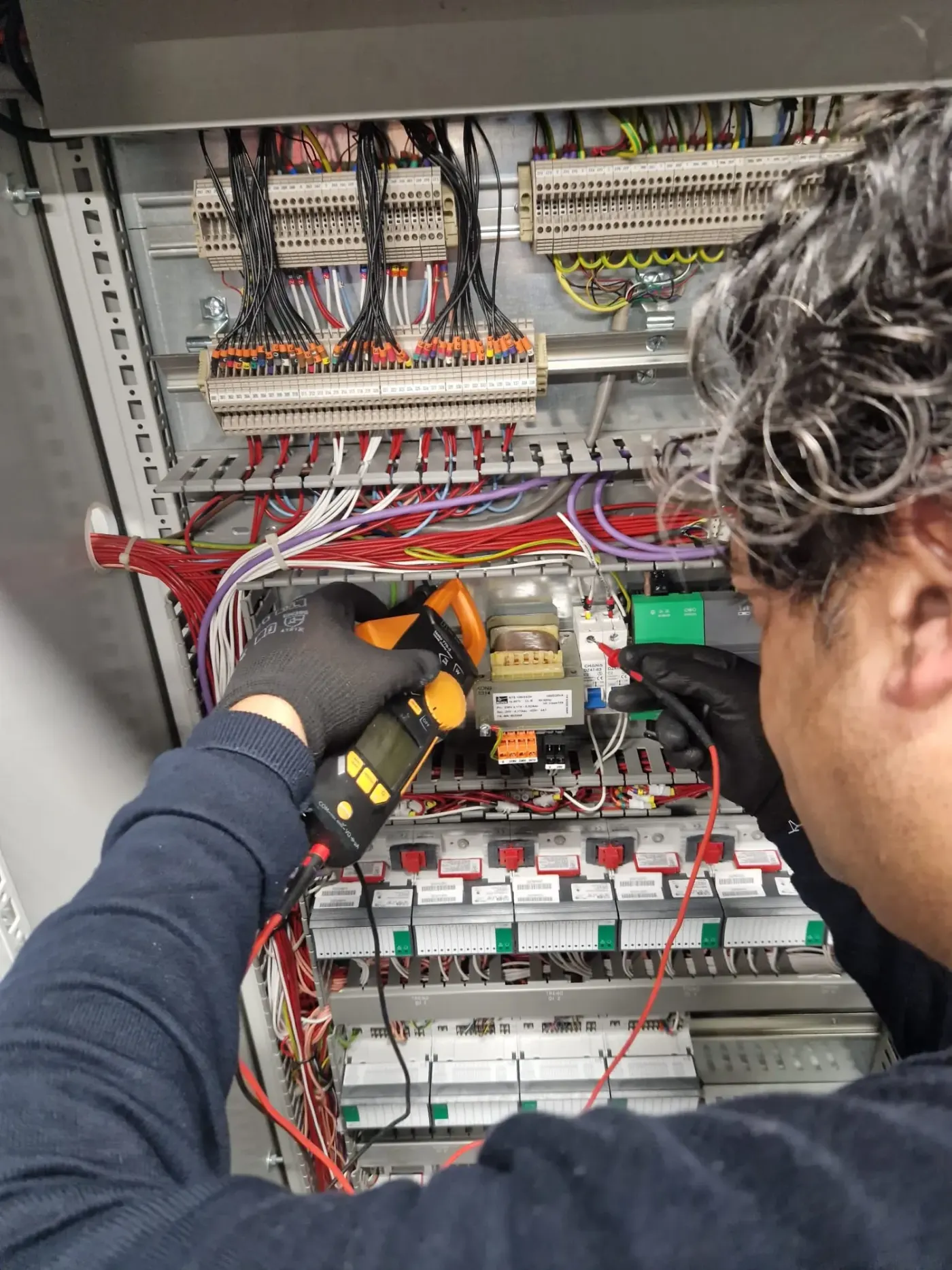
Changing a battery or replacing a plug-in alarm is straightforward. Hardwired alarms are different, because they are connected to the home's mains wiring. Replacing a hardwired alarm head or its base should be done by a qualified electrician, who can also check the interlinking is working and that every alarm sounds together.
Call an electrician if an alarm keeps chirping after a fresh battery, if alarms sound for no reason, if several alarms in the home are old, or if you are not sure the system is complete for the size of the property.
PowerArc is an electrical contractor covering East London and Essex, and we replace and install hardwired smoke and heat alarms and can test an interlinked system end to end.
General information for homes in England, written by the electricians at PowerArc Ltd, Hornchurch. Last updated 16 October 2026. For advice on your own property, speak to one of our electricians.