Quick answer
A burning smell from a plug or socket means something is overheating, often a loose connection, an overloaded adaptor or a damaged plug. Stop using it straight away. If it is safe to reach, switch the socket off at the wall and the circuit off at the consumer unit, then call an electrician. If there is smoke or fire, call 999.
If you can see smoke, flames or melting plastic, leave the room, do not touch the socket and call 999.
What should I do right now?
Act calmly but quickly. Do not wait to see whether the smell goes away, because overheating can get worse without warning.
Once the situation is safe, make a note of which socket it was, what was plugged in, and when you first noticed the smell, as this helps the electrician.
- If there is smoke or flames, leave the room, close the door behind you if you can, and call 999.
- If there is no fire, switch the socket off at the wall switch if it has one.
- If it is safe to reach, switch off the circuit at the consumer unit, or the main switch if you are not sure which circuit it is.
- Unplug the appliance only if the plug and socket are not hot and there are no signs of melting. If they are hot, leave them alone.
- Do not use the socket again, and do not plug anything else into it.
- Keep children and pets away, then call an electrician.
Why does my socket smell of burning or fish?
The smell comes from plastic, insulation or metal getting too hot. A fishy or sharp chemical smell is often the plastic of the faceplate or plug casing overheating, which is a warning that heat is building up inside.
Do not ignore a faint smell. A socket can smell hot before any visible damage appears.
Overheating can also affect the plug on the end of an appliance lead. If the smell is strongest at the plug rather than the wall, the plug and its fuse are likely to be involved, but you should still stop using both until they have been checked.
What causes a plug or socket to overheat?
The most common causes are:
- A loose terminal behind the socket, which creates a poor connection that heats up under load.
- Overloaded extension leads or adaptors, especially with high-power appliances such as heaters, kettles or tumble dryers.
- A damaged or poorly fitted plug, with loose pins, cracked casing or wires not clamped properly.
- The wrong fuse in a plug, or a fuse that is not seated properly.
- A worn or failing socket, where the internal contacts no longer grip the plug pins.
- Arcing, where electricity jumps across a gap in a poor connection and produces intense local heat.
What are the warning signs of a failing socket?
A smell is not the only warning. Look, without touching the wiring, for these signs:
- Scorch marks, brown marks or discolouration on the faceplate or plug.
- A faceplate or plug that feels warm or hot to the touch.
- Crackling, buzzing or sizzling sounds.
- Plugs that fall out or feel loose in the socket.
- Melted or deformed plastic.
- A circuit that trips repeatedly.
Should I unplug the appliance?
Only if it is safe. If the plug and socket are cool and there is no visible damage, switch the socket off first and then unplug the appliance. If the plug or socket is hot, scorched or melting, do not touch it. Switch off the circuit at the consumer unit and leave everything in place.
Never use water on an electrical fire. Call 999 and leave the property.
Do not pull a plug that is visibly melted or hot, as you could be burned or damage the socket further.
How do I prevent a plug or socket overheating?
A few habits cut the risk considerably:
- Do not plug an extension lead into another extension lead, and avoid adaptors that stack several plugs into one socket.
- Plug high-power appliances such as heaters, kettles and washing machines directly into a wall socket, not an extension lead.
- Fully unwind extension reels when they are in use.
- Check that plugs are in good condition, with no cracks, loose pins or damaged cable.
- Make sure the plug fuse matches the appliance. Lower power appliances such as lamps and chargers usually need a 3 amp fuse, and high-power ones such as kettles and heaters usually need a 13 amp fuse. Check the appliance label or instructions.
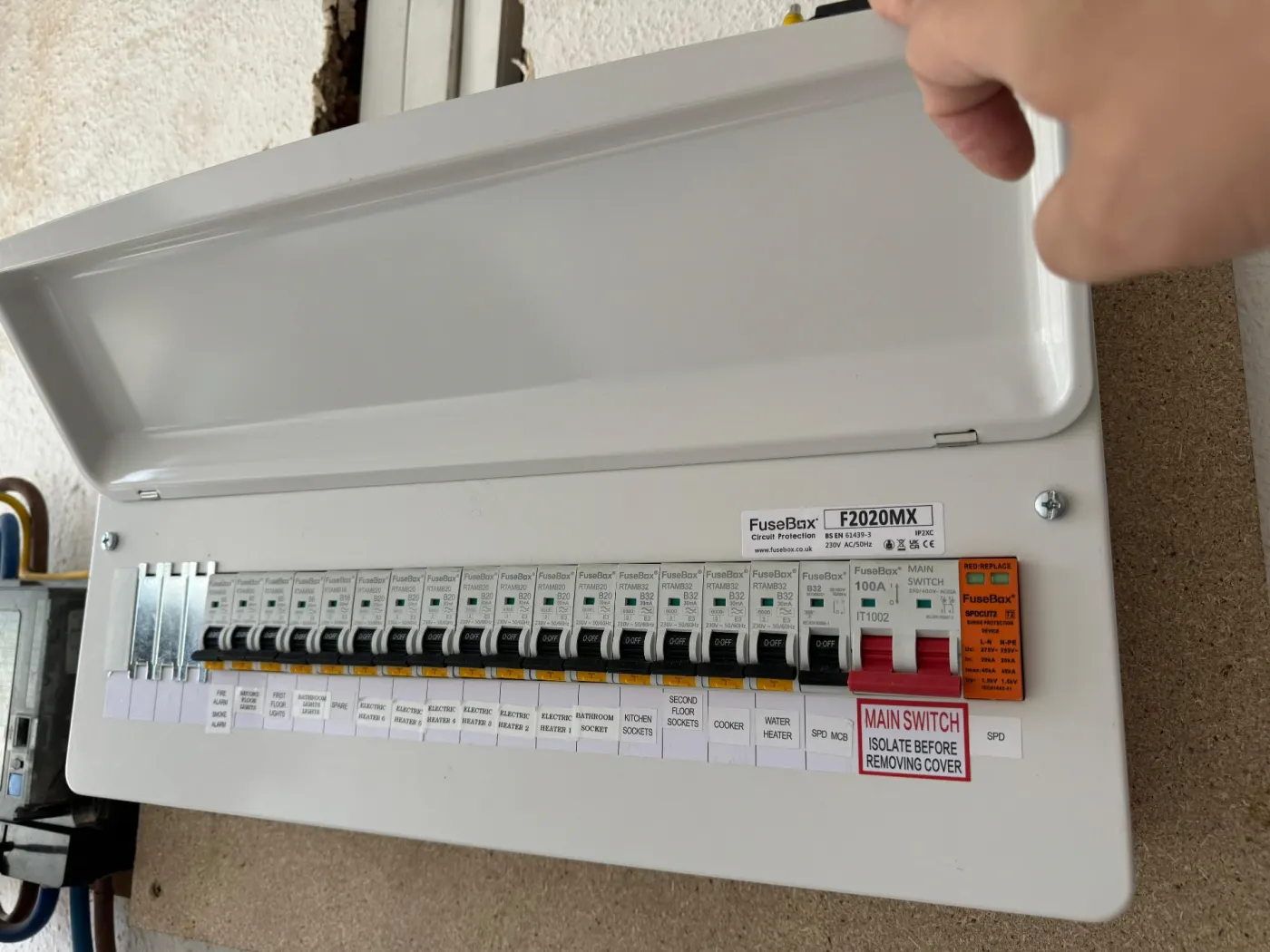
- Replace worn or loose sockets by calling an electrician, and consider an EICR if your wiring is old.
Can I use the socket again after the smell has gone?
No. Even if the smell fades, the cause is still there. A socket that has overheated may have damaged contacts or a loose connection behind it, and it can fail again. Leave it switched off until an electrician has inspected and tested it, and replaced the socket if necessary.
Why should I never ignore a hot or smelly socket?
Heat from a poor connection builds slowly. The plastic around the contacts softens, the connection loosens further and resistance rises, which creates even more heat. This cycle can end in a fire, often when no one is looking, such as overnight or while charging devices.
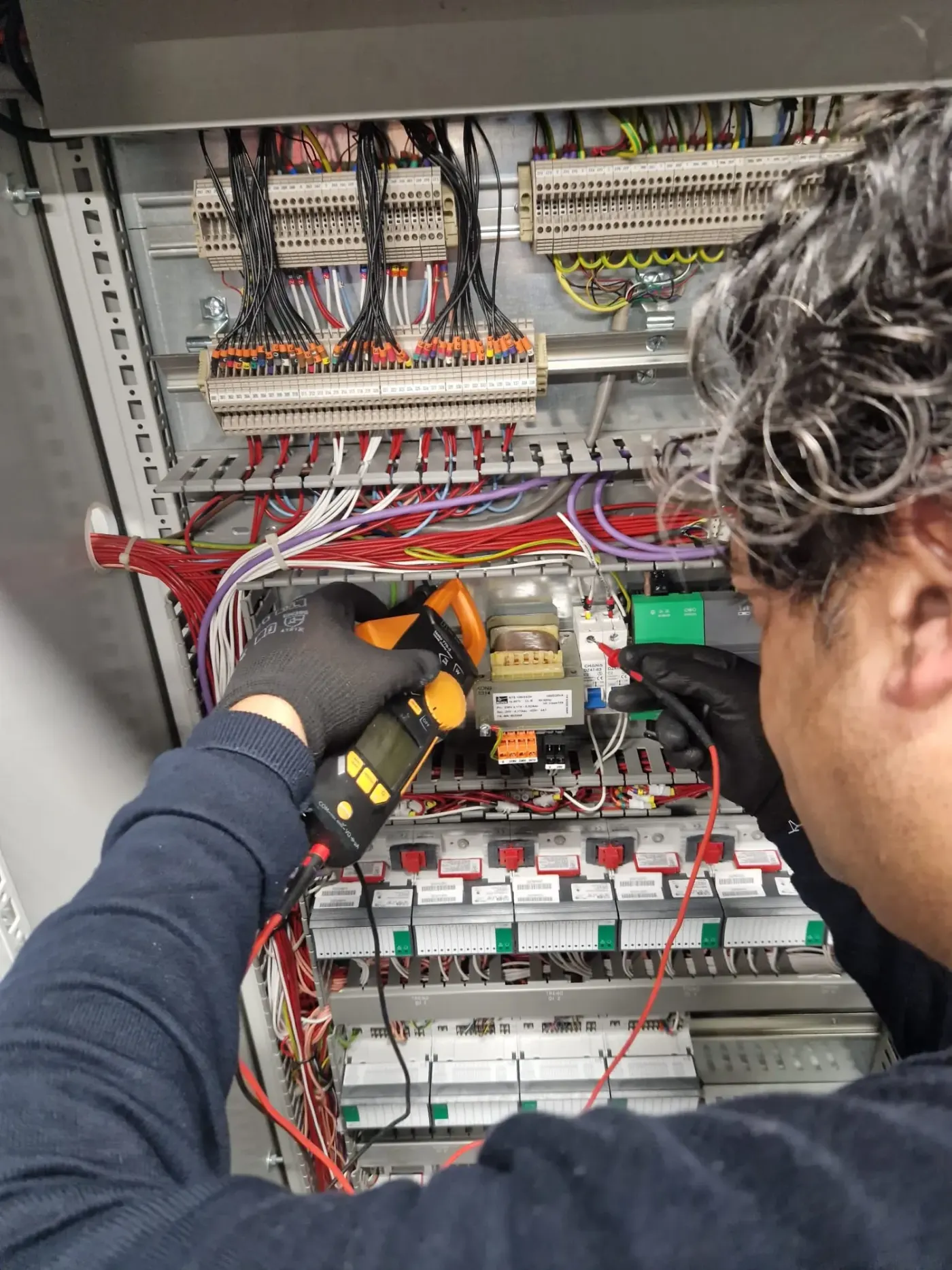
Because the problem starts behind the faceplate, the visible signs can lag behind the damage. That is why a smell on its own is reason enough to stop using a socket and get it tested. Only an electrician can safely remove the faceplate and inspect the terminals.
When to call an electrician
Call an electrician for any burning smell from a plug or socket, even if nothing visible has been damaged. They can test the circuit, find the cause and replace the faulty parts. If it happens out of hours, PowerArc's 24/7 emergency line on 07775 512758 covers East London and Essex.
General information for homes in England, written by the electricians at PowerArc Ltd, Hornchurch. Last updated 16 October 2026. For advice on your own property, speak to one of our electricians.