
Portable Appliance Testing
PAT Testing in East London & Essex
Portable appliance testing for landlords, offices, shops, schools and events. PowerArc inspects, tests, labels and records every item, with out-of-hours visits available so your working day carries on undisturbed.
- Qualified electricians, work certified to BS 7671
- Fixed quote agreed before any work starts
- Covering East London & Essex from Hornchurch
- Qualified electriciansWork certified to BS 7671
- 24/7 emergency lineDay, night and weekends
- Fixed quotesAgreed before work starts
- Local to youBased in Hornchurch, RM11
Kettles, laptops, extension leads, power tools and heaters all wear out, and a damaged lead or failing earth connection is easy to miss by eye. PAT testing combines a visual inspection with electrical tests to confirm that portable equipment is safe to keep using. PowerArc tests on site across East London and Essex, labels each item that passes, and gives you a clear record to show insurers, inspectors or your own health and safety file.
What PAT Testing Involves
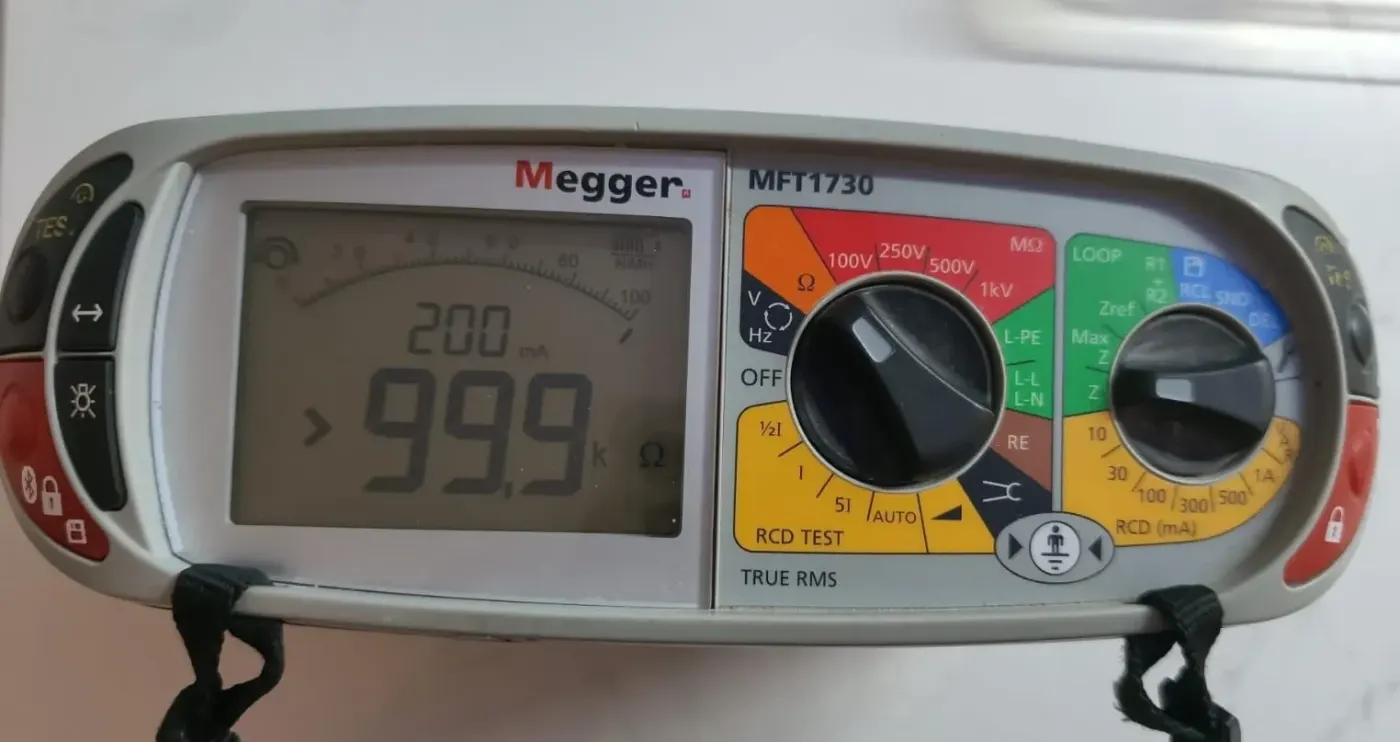
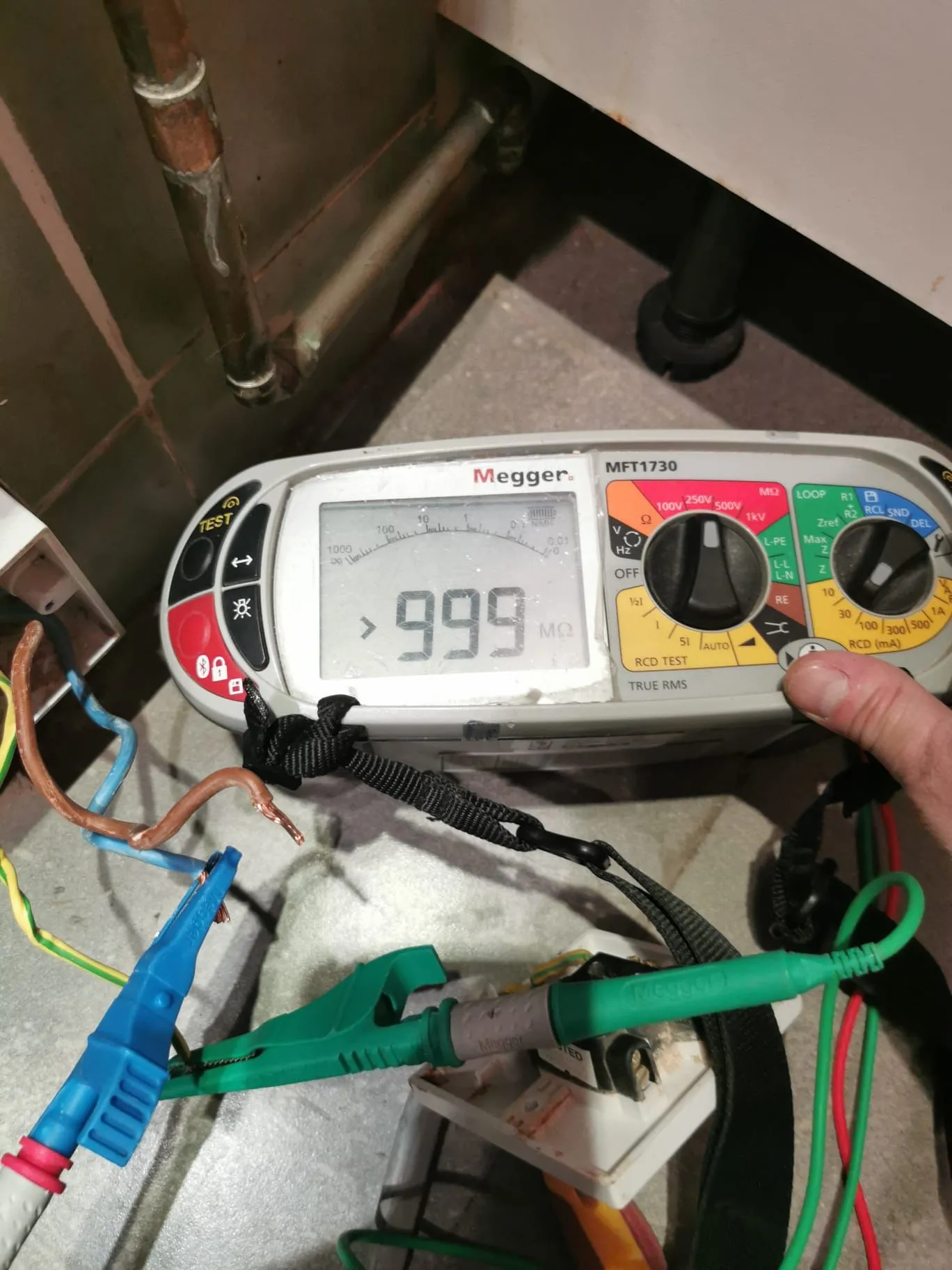
Every appliance starts with a visual inspection of the plug, flex, casing and any signs of heat, damage or tampering. Depending on the equipment, we then run electrical tests such as earth continuity, insulation resistance and a leakage or functional check. A pass is labelled with the item's asset number and test date, and anything that fails is taken out of use and marked so nobody plugs it back in. We explain each failure, so you know whether a repair or replacement makes more sense.
Is PAT Testing a Legal Requirement?
There is no law that says electrical equipment must be PAT tested every year. What the law does require is that equipment is kept in a safe condition. The Electricity at Work Regulations 1989 place a duty on employers and the self-employed to prevent danger from electrical systems, including portable equipment, and the Provision and Use of Work Equipment Regulations require work equipment to be maintained. Testing is simply the most widely accepted way of showing that you have met those duties.
What we cover
PAT testing: what's included
- Portable appliance testing
- Visual appliance inspection
- Earth continuity testing
- Insulation resistance testing
- Extension lead testing
- Pass and fail labelling
- Asset register reports
- Landlord appliance checks
- Out-of-hours testing
- Event equipment testing
How Often Should You Test?
The IET Code of Practice for In-service Inspection and Testing of Electrical Equipment takes a risk-based approach rather than setting a fixed frequency. A hand-held power tool on a building site, used daily and moved around, is a very different risk from a desk lamp in a quiet office. We assess the environment, how each item is used and its class of construction, then recommend a sensible interval for every category. Many businesses test higher-risk items more often and low-risk items less often.
Landlords and Letting Agents
If you supply a kettle, toaster, microwave, washing machine or lamp with a let property, you are responsible for making sure it is safe when the tenant moves in. PAT testing between tenancies is a quick way to demonstrate that, and a record of results is useful if a dispute arises. It also pairs naturally with the fixed-wiring inspection that landlords need in the private rented sector. We test at properties across Hornchurch, Romford, Ilford and Stratford and can work to your tenancy turnaround dates.
Offices, Shops and Schools
Workplaces gather portable equipment quickly, from monitors and chargers to cleaning machines and display lighting. Schools add classroom AV kit, kitchen appliances and equipment brought in for events. We test in an agreed order so your team knows where we are, and we will test items in cupboards, behind counters and in plant rooms where they tend to be overlooked. We also check extension leads and multi-way adaptors, which are among the most common causes of failed tests.
Events, Hire Equipment and Pop-Ups
Events and market stalls often rely on borrowed or hired kit, long cable runs and temporary lighting in places that were never designed for it. We can inspect and test before the event so everything arrives with a valid label, or return after set-up to check the final arrangement. For hire companies, regular in-service testing between jobs gives a record that each item left the yard in safe condition.
Out-of-Hours and Low-Disruption Testing
Testing involves unplugging equipment briefly, which does not suit every business. We can test in the evening, early morning or at weekends, so tills, servers and classrooms are left alone during working time. Where something cannot be switched off, such as a fridge holding stock or a medical device, we arrange a time that suits you or test the item in a way that avoids interrupting its job. You are told in advance what will be unplugged and for how long.
Labels, Asset Register and Certificate
When we finish, you receive a report listing every item tested, its location, the test results and the next recommended retest date. This works as your asset register, and you can attach it to your health and safety file or hand it to an insurer. We also provide a certificate for the visit. If something fails, the report says why, and we can arrange repairs, replacement plugs or fuses where appropriate. Everything is priced as a fixed quote before we start.
24/7 emergency electrician
No power, a burning smell or sparking socket?
Switch off at the fuse board if it's safe to, then call us. Our emergency line is answered day and night, every day of the year.
Questions
PAT testing FAQs
How often should PAT testing be done?
There is no single legal frequency. The IET Code of Practice recommends a risk-based approach, so high-use or hand-held equipment is tested more often than low-risk items. We assess your workplace and suggest sensible intervals.
Is PAT testing a legal requirement for landlords?
No law names PAT testing specifically, but you must supply safe appliances. Testing between tenancies is a practical way to show that you have taken reasonable care, and it provides a record you can rely on.
How much does PAT testing cost?
Cost depends on the number of items, their type and how accessible they are. We give a fixed quote before the visit once we know roughly how many appliances you have.
How long does PAT testing take?
A small office can often be completed in an hour or two, while a school or large workplace may take a day or more. We tell you the likely duration when we quote, and we can split the work over several visits if needed.
Can you test outside normal working hours?
Yes. We regularly test in the evening, early morning and at weekends, so your business is not interrupted. We will confirm what is being unplugged and when before we begin.
What happens if an appliance fails the test?
It is labelled as failed, taken out of use and recorded in your report with the reason. Depending on the fault, we may be able to replace a plug or fuse on site, or recommend repair or replacement.
Helpful guides
Before you book: answers to common questions
 Rules & regulations
Landlord Electrical Safety Guide for England (2026)
Private landlords in England have clear electrical and alarm duties, and penalties for getting them wrong. This guide sets out what the rules require, what is good practice, and which records to keep.
Rules & regulationsWhat happens during an EICR inspection?
An EICR is a safety check of the fixed wiring in a property. Knowing what the inspector does, and how to get the home ready, makes the visit quicker and less disruptive.
Related services
Often booked with PAT testing
Commercial
Commercial electrical
Fit-outs, three-phase supplies, distribution boards and maintenance for offices, shops and industrial units.
View service
Lighting
Commercial lighting
LED upgrades, lighting design and controls that cut running costs in workplaces and retail.
View service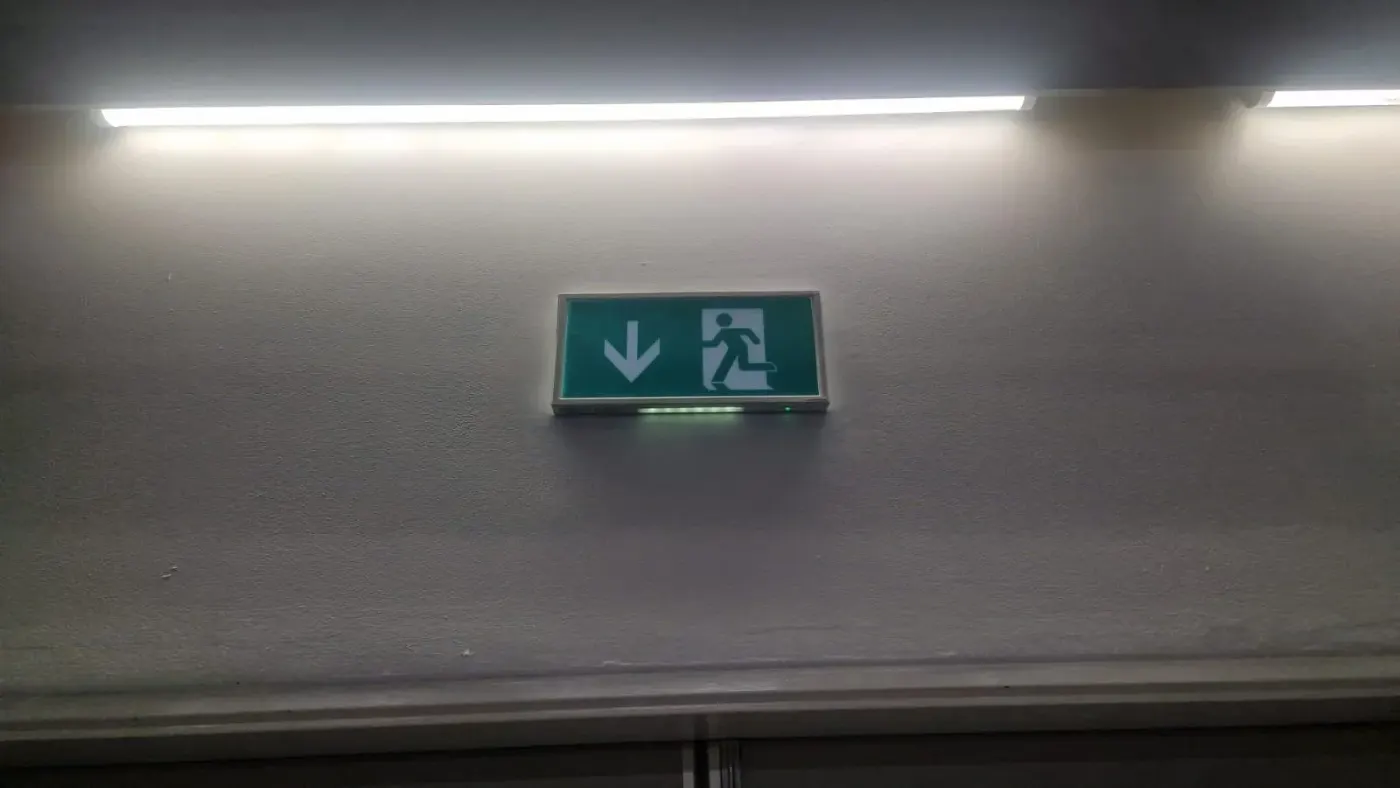
BS 5266
Emergency lighting
Emergency and exit lighting designed, installed and tested to BS 5266.
View serviceWhere we work
PAT testing across East London & Essex
Based on Hornchurch High Street, our electricians cover these areas every week.
Talk to an electrician
Tell us what you need. We'll come back with a fixed quote.
Call, WhatsApp or send the quick form. A qualified electrician looks at every request, not a call centre.