Quick answer
Private landlords in England must have the electrical installation inspected and tested at least every five years and give tenants the EICR within 28 days. They must also fit a smoke alarm on every storey and a carbon monoxide alarm in rooms with a fixed combustion appliance, and complete any required remedial work within 28 days.
EICR observation codes at a glance
Risk of injury now. The electrician should make it safe before leaving.
Urgent remedial work needed. Landlords must fix within 28 days.
Something needs looking into without delay before it can be coded.
Doesn't meet current standards but isn't dangerous. Not a fail on its own.
The core duty: fixed wiring inspections
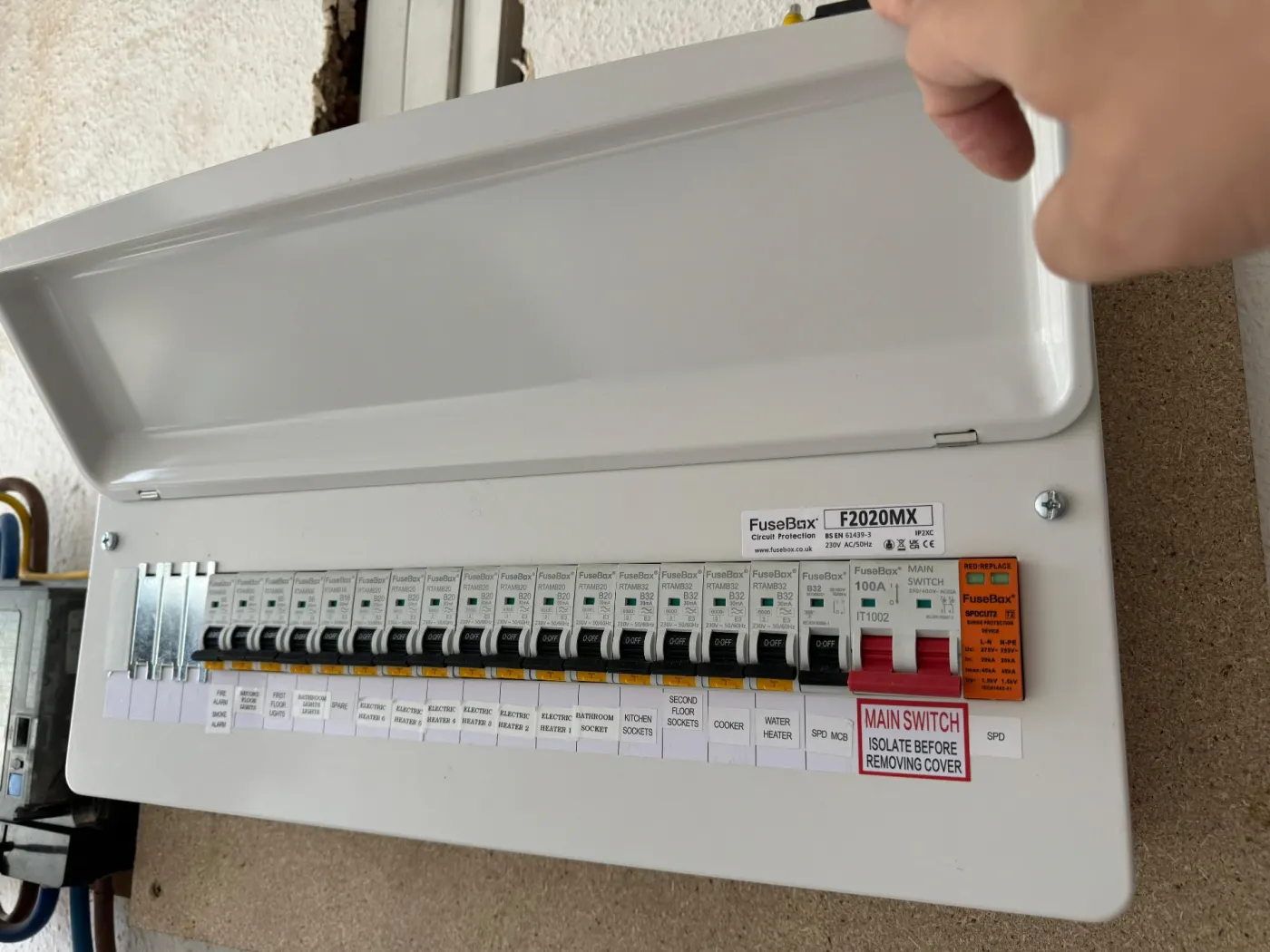
Under the Electrical Safety Standards in the Private Rented Sector (England) Regulations 2020, a private landlord must make sure the electrical installation in each rented property is inspected and tested by a qualified person at least every five years. The result is an Electrical Installation Condition Report, or EICR.
The same regulations require landlords to keep a copy of the report, supply it to the tenant within 28 days of the inspection, and give it to any new tenant before they move in. A copy must also go to the local authority within seven days if they ask for it.
The inspection must be carried out by someone with the right qualifications and experience to do it competently, and landlords should be ready to show evidence of that if the local authority asks. A tidy, dated report from an electrician who is properly qualified and insured is far better evidence than a casual check by a handyman.
The rules apply to most private tenancies in England, including houses and flats, and the five-year period runs from the date of each inspection rather than from the tenancy start date.
What to do when the report is unsatisfactory
If the report records C1, C2 or FI observations, the landlord must carry out the remedial work or further investigation within 28 days, or sooner if the report says so. Once the work is complete, written confirmation from the electrician must go to the tenant and the local authority within 28 days.
Councils can enforce these rules and may issue financial penalties of up to £30,000 for a breach. Our separate guide on EICR codes explains what each observation means.
If the electrician needs more than 28 days to finish, perhaps because a part has to be ordered, tell them as early as possible and ask what can be made safe in the meantime. The regulations expect the work to be done promptly, so do not leave booking to the last minute.
Always keep the written confirmation. It is the evidence you need if the council later asks whether remedial work was completed, and it should show what was done and when.
Smoke and carbon monoxide alarms
The Smoke and Carbon Monoxide Alarm (Amendment) Regulations 2022 set minimum alarm standards in privately rented homes in England. The key points are:
Alarms are not a one-off job. Tenants should be reminded how to test them and told to report any that fail, and landlords should replace units that reach the end of their life, which is commonly around ten years for many models. Mains-wired, interlinked alarms are generally more reliable than loose battery units, and many landlords choose them when a property is rewired or refurbished.
- At least one smoke alarm on every storey of the property that includes living accommodation.
- A carbon monoxide alarm in any room that has a fixed combustion appliance, such as a wood burner or solid fuel stove. Gas cookers are excluded from this requirement.
- Alarms must be tested and working on the first day of the tenancy, and repaired or replaced once the landlord is told they have failed.
Houses in multiple occupation
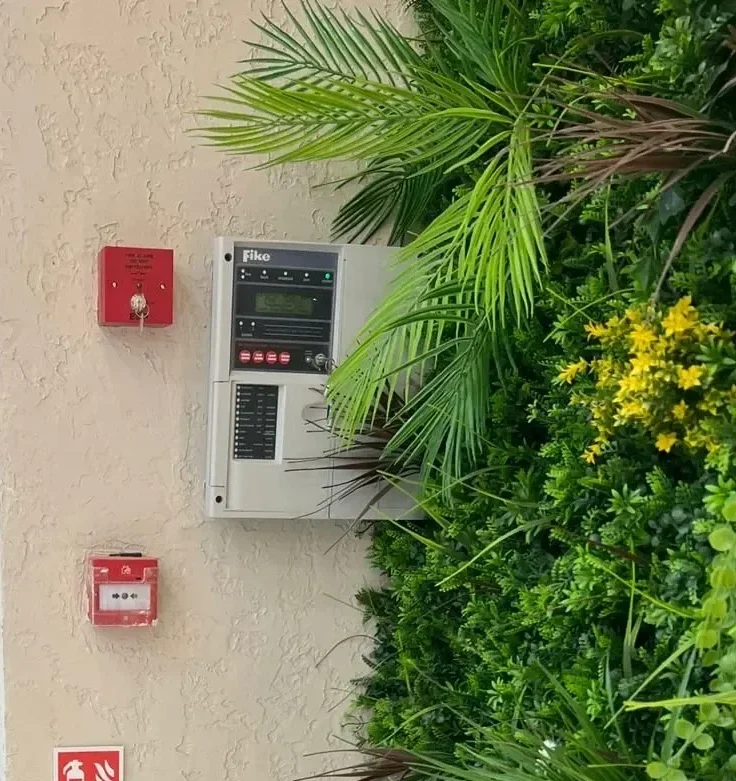
Shared houses and HMOs usually face stricter expectations. The local authority, guided by a fire risk assessment, often requires a proper fire detection and alarm system rather than a few standalone alarms, and in larger or more complex buildings emergency lighting for escape routes.
Licence conditions for licensed HMOs commonly include producing a current electrical safety report on request. Because requirements differ between councils, it is sensible to check with your local authority before you design or upgrade a system.
Larger HMOs may also need fire doors, escape route signage and regular servicing of alarm panels, and the responsible person usually has to keep written fire risk assessments up to date. These are fire safety duties in their own right, separate from the electrical inspection, but the electrical contractor is often asked to install and maintain the detection and lighting parts.
PAT testing: recommended, not required
There is no specific legal requirement for landlords to carry out portable appliance testing (PAT). However, if you supply appliances such as kettles, toasters, washing machines or lamps in a furnished let, you remain responsible for them being safe.
Having them tested and labelled gives a record of due care, and it is a cheap way to catch worn flexes and damaged plugs. It is best practice rather than a duty, and it is usually repeated at intervals suited to how heavily the equipment is used.
If you do decide to test, the usual approach is a visual inspection of each item, followed by an electrical test where appropriate, and a label with the date and result. Anything that fails should be repaired or removed from the property. Unfurnished lets with no landlord-supplied appliances do not need PAT testing at all.
Gas safety
Gas safety certificates are a separate legal duty that must be handled by a Gas Safe registered engineer. PowerArc is an electrical contractor and does not carry out gas work.
Keeping records
Good records make inspections, tenancy changes and any dispute much easier to deal with. For each property, keep the following in one place:
- The latest EICR and any earlier reports.
- Certificates and written confirmation for remedial work, plus the dates you supplied them to tenants and the council.
- Dates and results of alarm testing at the start of each tenancy.
- PAT test records for any appliances you provide.
- Details of any fire detection or emergency lighting servicing in shared properties.
Planning ahead
Diarise the five-year deadline well in advance and book the inspection a few weeks early, so there is time for remedial work inside the 28-day window. Where you manage several properties, grouping inspections can save time. If you are unsure about requirements for a specific building, ask a qualified electrician or your local authority.
Finally, remember that safety obligations change from time to time. Check current government guidance before each inspection cycle, and do not assume that last time's rules still apply.
General information for homes in England, written by the electricians at PowerArc Ltd, Hornchurch. Last updated 16 October 2026. For advice on your own property, speak to one of our electricians.