Quick answer
On an EICR, C1 means danger is present, C2 means potentially dangerous and C3 means improvement recommended, while FI means further investigation is required. Any C1, C2 or FI makes the report unsatisfactory; C3 alone does not. Landlords in England must complete remedial work within 28 days, or sooner if the report says so.
EICR observation codes at a glance
Risk of injury now. The electrician should make it safe before leaving.
Urgent remedial work needed. Landlords must fix within 28 days.
Something needs looking into without delay before it can be coded.
Doesn't meet current standards but isn't dangerous. Not a fail on its own.
What an EICR actually tells you
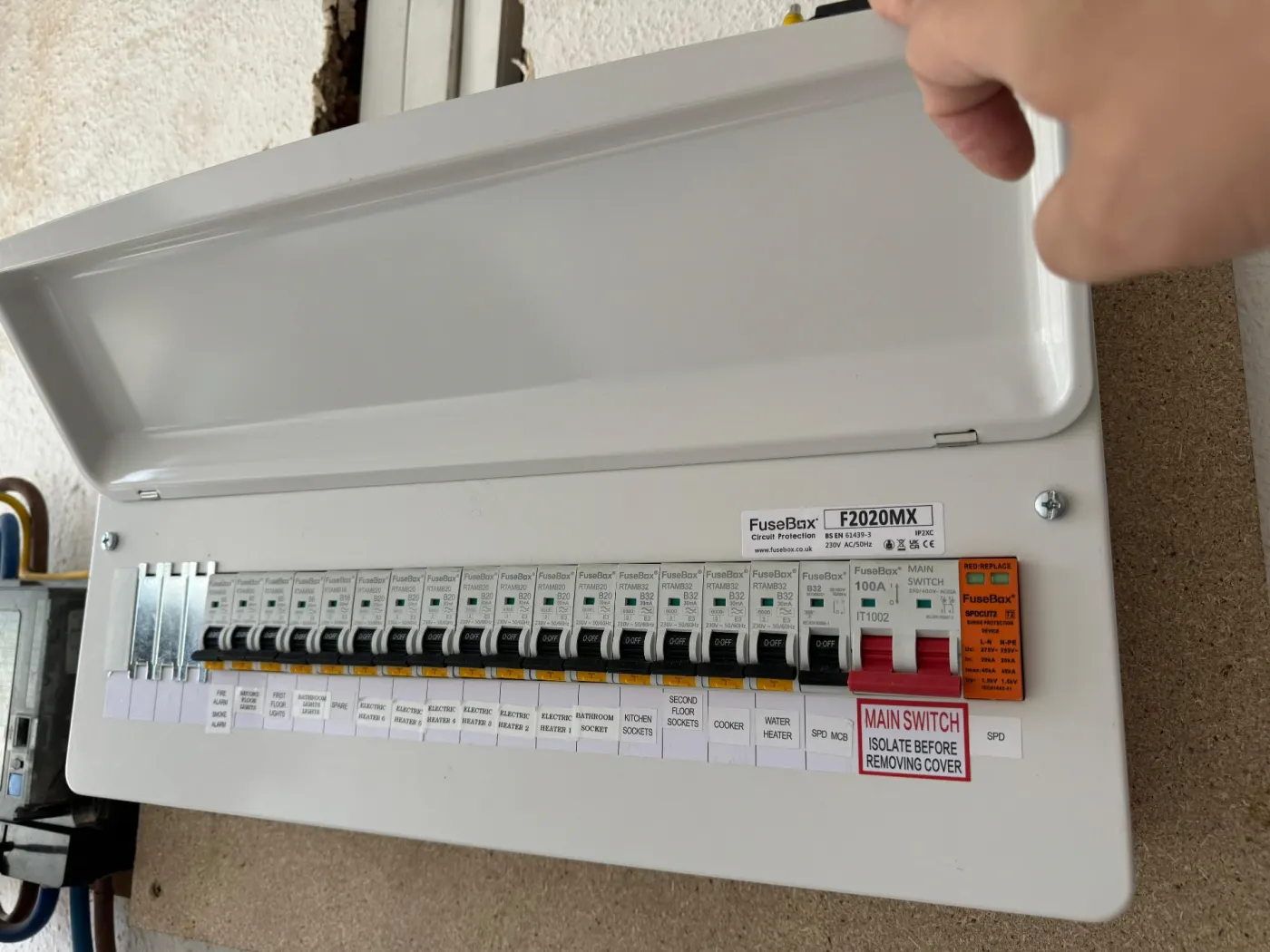
An Electrical Installation Condition Report, or EICR, records the condition of the fixed electrical installation in a property at the time of the inspection. That covers the consumer unit, circuits, sockets, light fittings, earthing and bonding. It does not cover portable appliances.
The inspector tests the installation, compares what they find against the current wiring regulations, BS 7671, and records each defect with a code. The codes show how serious each observation is, and the overall result depends on which ones appear.
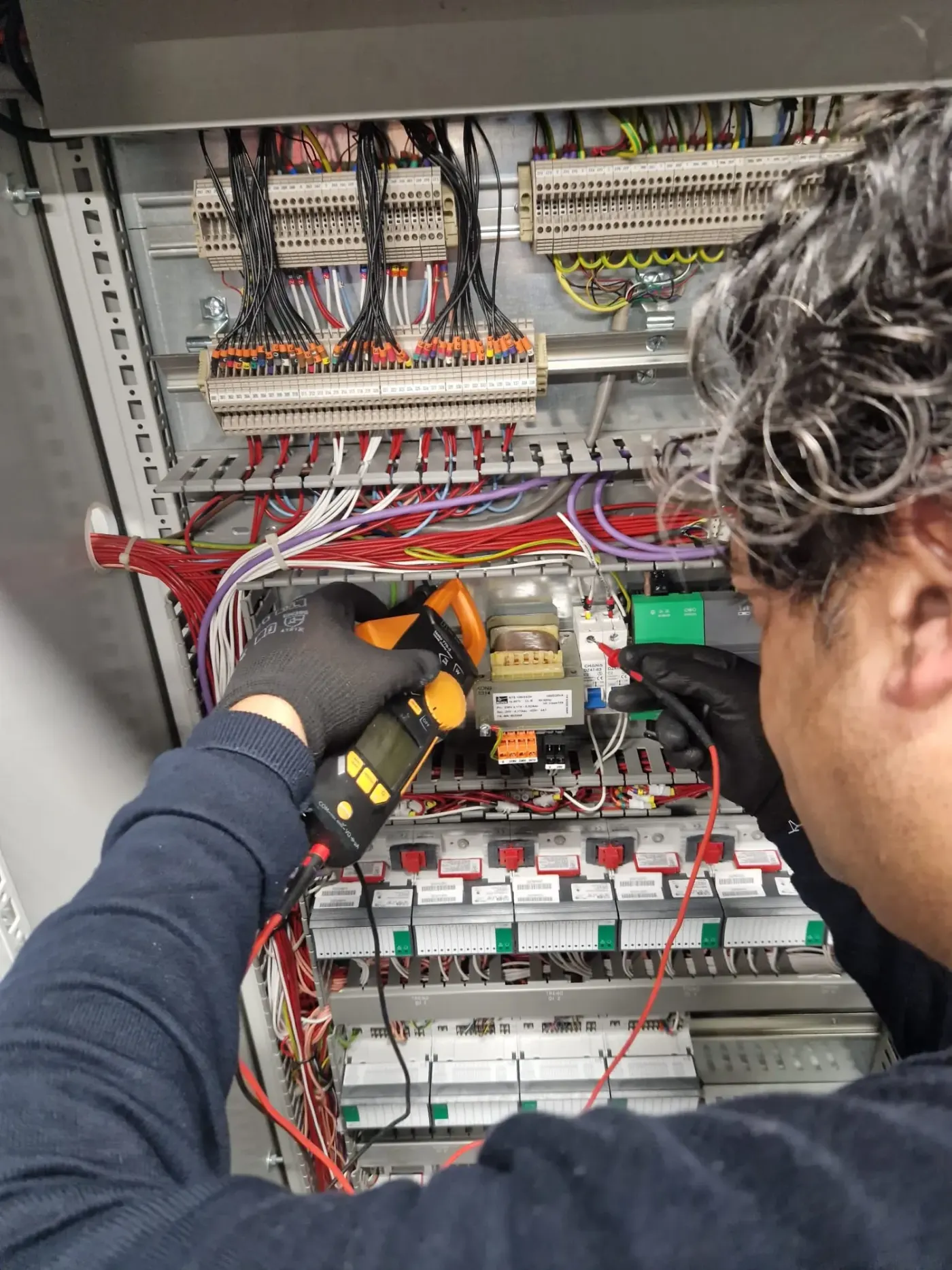
The inspection involves a visual check of the installation followed by instrument testing of each circuit. Expect the power to be switched off for short periods while this is done. Occupied homes can usually be tested with minimal disruption, though the inspector may need access to every room, the loft and any outbuildings with their own supply.
The finished report lists the circuits tested, the results, any limitations such as areas that could not be accessed, and a recommended date for the next inspection. Read the limitations section carefully, because anything not tested is not covered by the result.
C1: danger present
A C1 code means danger is present and there is a risk of injury. It needs immediate action. Typical examples are exposed live conductors, a socket with damaged and live terminals, or a cracked fitting that could be touched.
Where possible, the inspector will make the danger safe on the spot, or ask the person ordering the report to agree to the circuit being isolated until repairs are made. A C1 always makes the report unsatisfactory.
Because a C1 means a risk of injury now, it is usually dealt with straight away rather than left for a later visit. Examples might include a broken socket faceplate with live parts accessible, or conductors left exposed in a loft or under a floor where they can be touched.
C2: potentially dangerous
A C2 code means the installation is potentially dangerous. It may not hurt anyone today, but a further fault or the wrong circumstances could cause shock or fire. Urgent remedial action is required.
Common C2 observations include inadequate earthing or bonding, a lack of RCD protection where sockets could supply outdoor equipment, and wiring with damaged or deteriorated insulation. A C2 also makes the report unsatisfactory.
Landlords should treat a C2 with the same urgency as a C1 when it comes to arranging repairs. Although the risk is less immediate, the regulations give no extra time for a C2, so the 28-day clock applies in exactly the same way.
C3: improvement recommended
A C3 code means the installation does not meet the latest standards but is not considered dangerous. It is a recommendation rather than a requirement. Examples include missing or unclear circuit labelling, or a consumer unit that is sound but predates current practice.
A C3 on its own does not make a report unsatisfactory. Landlords are not required to act on C3 items to meet the regulations, though many choose to include them in planned upgrades.
Even so, it is worth reading the C3 items. They often point to natural upgrades, such as modern protection on a circuit or an updated unit, and fitting them while other work is under way can be cheaper than returning to the job later.
FI: further investigation required
FI means the inspector could not determine whether something is safe without looking further. It might be a circuit that could not be traced, a hidden junction box, or wiring that cannot be confirmed without opening up part of the structure.
An FI is treated seriously. Any FI observation makes the report unsatisfactory until the investigation is carried out and its result is known. The follow-up work may confirm that all is well, or it may reveal a C1 or C2 that then needs repair.
A typical FI might be a circuit that could not be identified at the board, or a section of cable hidden behind fixed units. The remedy is to carry out the further investigation as soon as it is practical, rather than guessing. Until then the report cannot be passed.
Satisfactory or unsatisfactory?
The overall outcome is either satisfactory or unsatisfactory. The rule is straightforward:
Reports sometimes include a note that the installation is satisfactory but with advisory comments, usually where only C3 items were found. That is still a pass, and it is the outcome most landlords hope for.
- Any C1, C2 or FI observation means the report is unsatisfactory.
- C3 observations alone do not stop a report being satisfactory.
- A report with no observations at all is satisfactory.
What landlords must do after an unsatisfactory report
In England, the Electrical Safety Standards in the Private Rented Sector (England) Regulations 2020 require private landlords to have the electrical installation inspected and tested at least every five years, or sooner if the previous report specifies a shorter interval. They must give tenants a copy of the report within 28 days of the inspection, and give a copy to the local authority if asked.
If the report requires remedial work or further investigation, the landlord must complete it within 28 days, or within a shorter period if the report specifies one. Within 28 days of finishing, they must give the tenant and the local authority written confirmation that the work is done, together with the evidence from the electrician.
Local authorities can serve a remedial notice and arrange the work if landlords do not comply, and can impose financial penalties of up to £30,000.
Getting to a satisfactory result
Once the repairs for every C1, C2 and FI observation are done, the electrician issues the relevant certificates and confirms in writing that the installation now meets the requirement. Keep these with the original report.
If you are a homeowner rather than a landlord, the same codes apply, and an unsatisfactory report is a useful to-do list. Acting on C2 items promptly is sensible even though there is no legal deadline.
If you are buying or selling, an EICR is useful evidence of the state of the wiring. A buyer who sees a recent satisfactory report, with the certificates for any repairs, can proceed with more confidence, and it can head off last-minute negotiations over unexpected electrical work.
General information for homes in England, written by the electricians at PowerArc Ltd, Hornchurch. Last updated 16 October 2026. For advice on your own property, speak to one of our electricians.