Quick answer
During an EICR, a qualified electrician inspects the fixed wiring, consumer unit, earthing and bonding visually, then tests the circuits with instruments, including RCD tests, which means the power is switched off for periods. An average home usually takes a few hours. You receive a report coding any issues C1, C2, C3 or FI and an overall satisfactory or unsatisfactory result.
EICR observation codes at a glance
Risk of injury now. The electrician should make it safe before leaving.
Urgent remedial work needed. Landlords must fix within 28 days.
Something needs looking into without delay before it can be coded.
Doesn't meet current standards but isn't dangerous. Not a fail on its own.
What is an EICR?
An Electrical Installation Condition Report, or EICR, is a formal assessment of the fixed electrical installation in a property. It covers the consumer unit, circuits, wiring, sockets, switches, light fittings, earthing and bonding. It records whether the installation is safe to keep using and whether it meets the current wiring regulations, BS 7671.
It is not a pass or fail test of every appliance, and it is not the same as a repair visit. It is a survey that records the condition of the installation on the day.
What does the inspector check first?
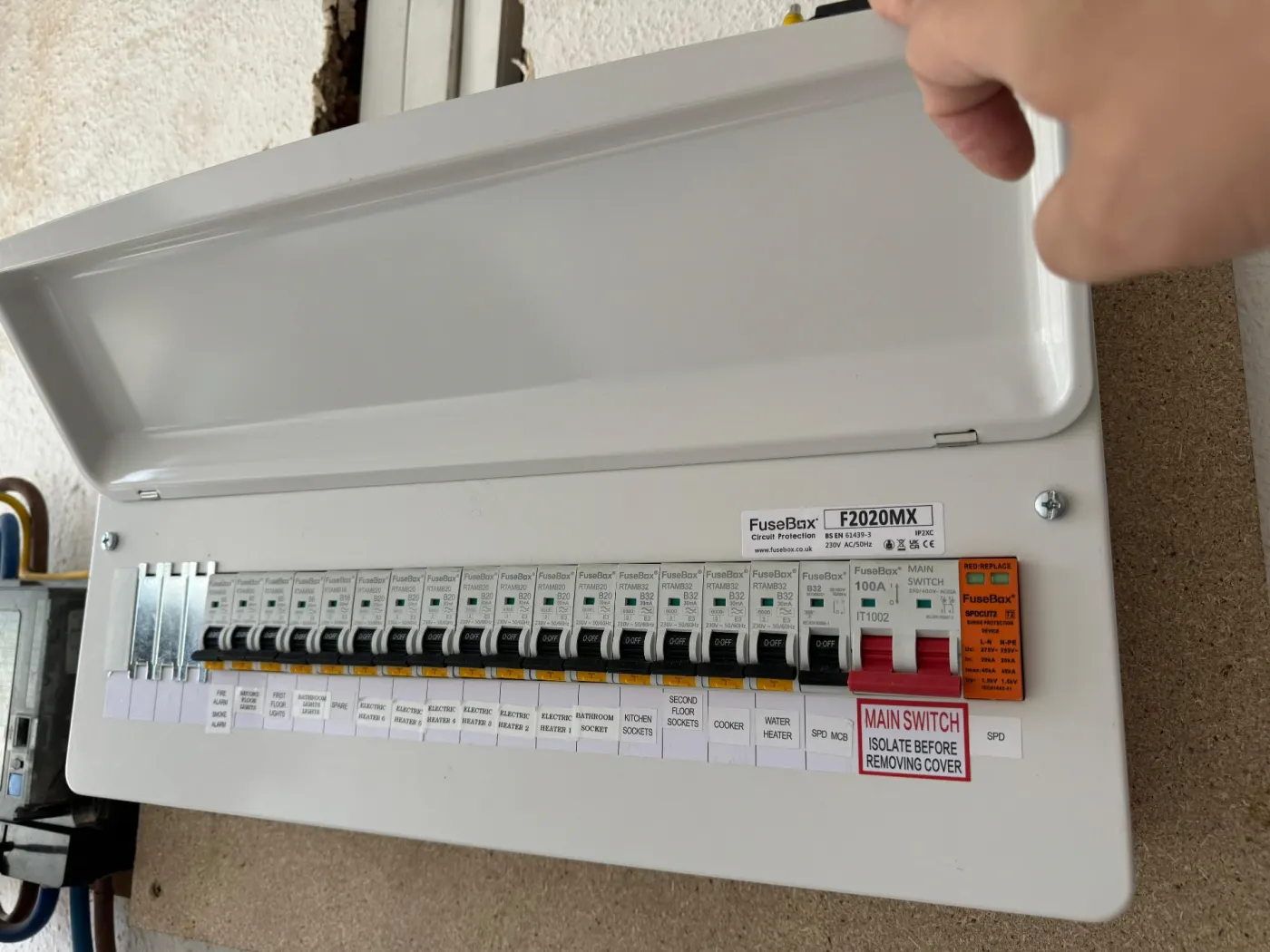
The inspection starts with a visual check. The inspector looks at the consumer unit and the visible parts of the installation for signs of damage, overheating, wear, unsuitable repairs and missing labels. They look at the type of protection fitted, whether circuits are correctly identified and whether the earthing and bonding connections are in place and the right size.
They also look for things that are easy to miss, such as sockets with cracked faces, cables run in unsuitable places, and fittings that are not suitable for the room, for example near water.
The visual part is done with the power on for much of the time, but the electrician has to remove covers and open the board, so keep children and pets out of the way.
How are the circuits tested?
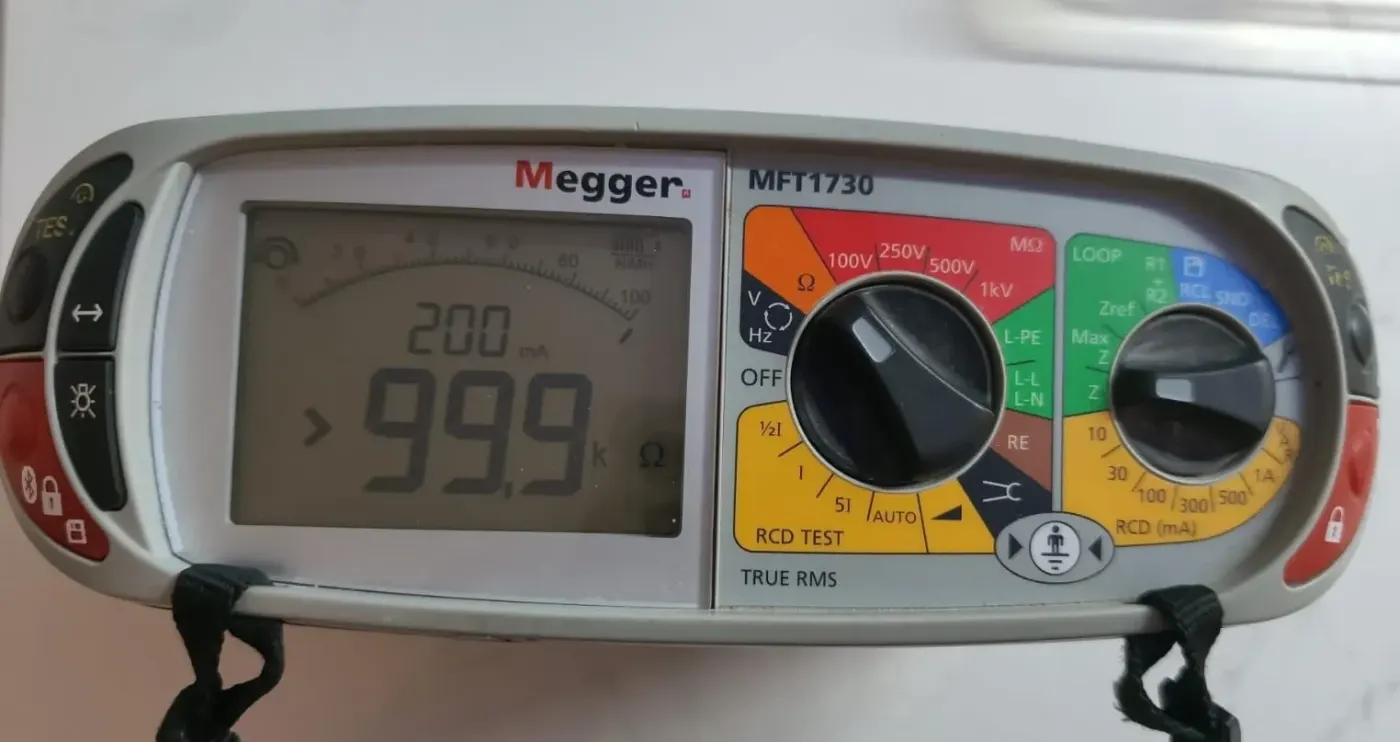
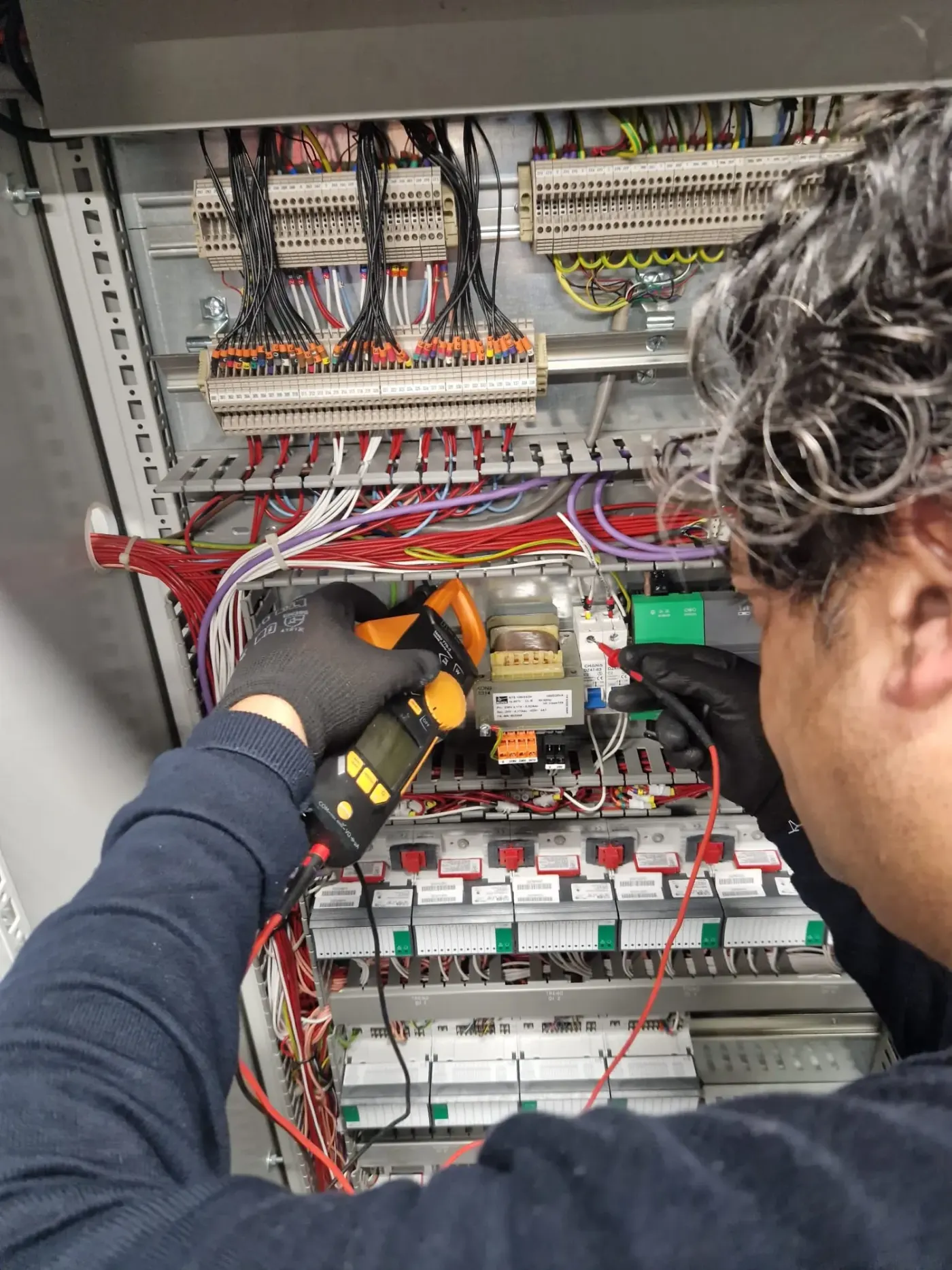
After the visual check, the electrician tests the circuits with calibrated instruments. These tests measure things like the continuity of protective conductors, the insulation between conductors, the earth fault loop impedance and polarity.
Residual current devices, or RCDs, are tested to confirm they trip within the required time and at the right current. This is one of the most important checks, because an RCD is the device that protects you from serious electric shock.
For a typical home the electrician may test every circuit or a sample, depending on what was agreed beforehand, the size of the installation and what the inspection is for. A landlord's report would normally be expected to cover all circuits. The agreed extent and any limitations are written on the report.
Will the power be off, and for how long?
Yes. Some of the tests can only be done with circuits isolated, so the power goes off in stages or for longer periods during the inspection. The electrician will usually switch off one circuit at a time, but the whole supply is off while certain tests are carried out.
For an average home, an EICR commonly takes a few hours, though bigger houses, more circuits, a lot of hidden wiring or access problems can make it longer. The electrician can give you an idea once they have seen the property, but no one can promise an exact time before they start.
Plan for the power to be off at points during the visit, and for the fridge, freezer and any medical equipment to need a plan B.
What access does the electrician need?
The inspector needs access to the consumer unit and to every room with electrical outlets or fittings, plus any loft, garage, cupboard or outbuilding on the supply. Anything they cannot reach, such as a locked room or sockets hidden behind heavy furniture, is recorded as a limitation, and that part of the installation is not covered by the result.
In rented homes, tenants should be told in advance so that the electrician can get in. Giving proper notice avoids a wasted visit.
What do I get at the end?
You receive the EICR itself, with the circuits tested, the results, any limitations and the recommended date for the next inspection. Any problems found are listed as observations with a code:
The report then gives an overall result of satisfactory or unsatisfactory. Any C1, C2 or FI makes it unsatisfactory, whereas a C3 on its own does not. Our guide to EICR codes explains each one in more detail.
- C1: danger present, needing immediate action.
- C2: potentially dangerous, needing urgent remedial action.
- C3: improvement recommended.
- FI: further investigation required.
How should I prepare for an EICR?
A little preparation makes the visit faster and avoids limitations on the report.
- Clear access to the consumer unit and to the sockets and switches in each room.
- Make sure the electrician can get into every room, the loft and any outbuilding.
- Tell tenants and everyone at home that the power will be off at times.
- Save work on computers and close any equipment that cannot cope with a power cut.
- Plan for the fridge, freezer, alarms and any medical equipment while the supply is off.
- Let the electrician know about any known problems, such as sockets that trip or lights that flicker.
What is the difference between an EICR and PAT testing?
An EICR looks at the fixed installation, meaning the wiring, consumer unit, sockets and fixed fittings. PAT testing, or portable appliance testing, checks the appliances that plug in, such as kettles, lamps and power tools. They are separate checks. Landlords in England need an EICR for rented homes, whereas PAT testing is good practice rather than a legal requirement for most homes.
PowerArc is an electrical contractor covering East London and Essex, and we carry out EICRs for homeowners, landlords and agents.
General information for homes in England, written by the electricians at PowerArc Ltd, Hornchurch. Last updated 16 October 2026. For advice on your own property, speak to one of our electricians.