Quick answer
Not always. A new consumer unit is only needed if the existing one lacks a spare way or space, cannot provide the right RCD protection, or is in poor condition, such as rewireable fuses or no RCD. The electrician also checks the main fuse and maximum demand, and the earthing arrangement, before confirming whether the board can stay.
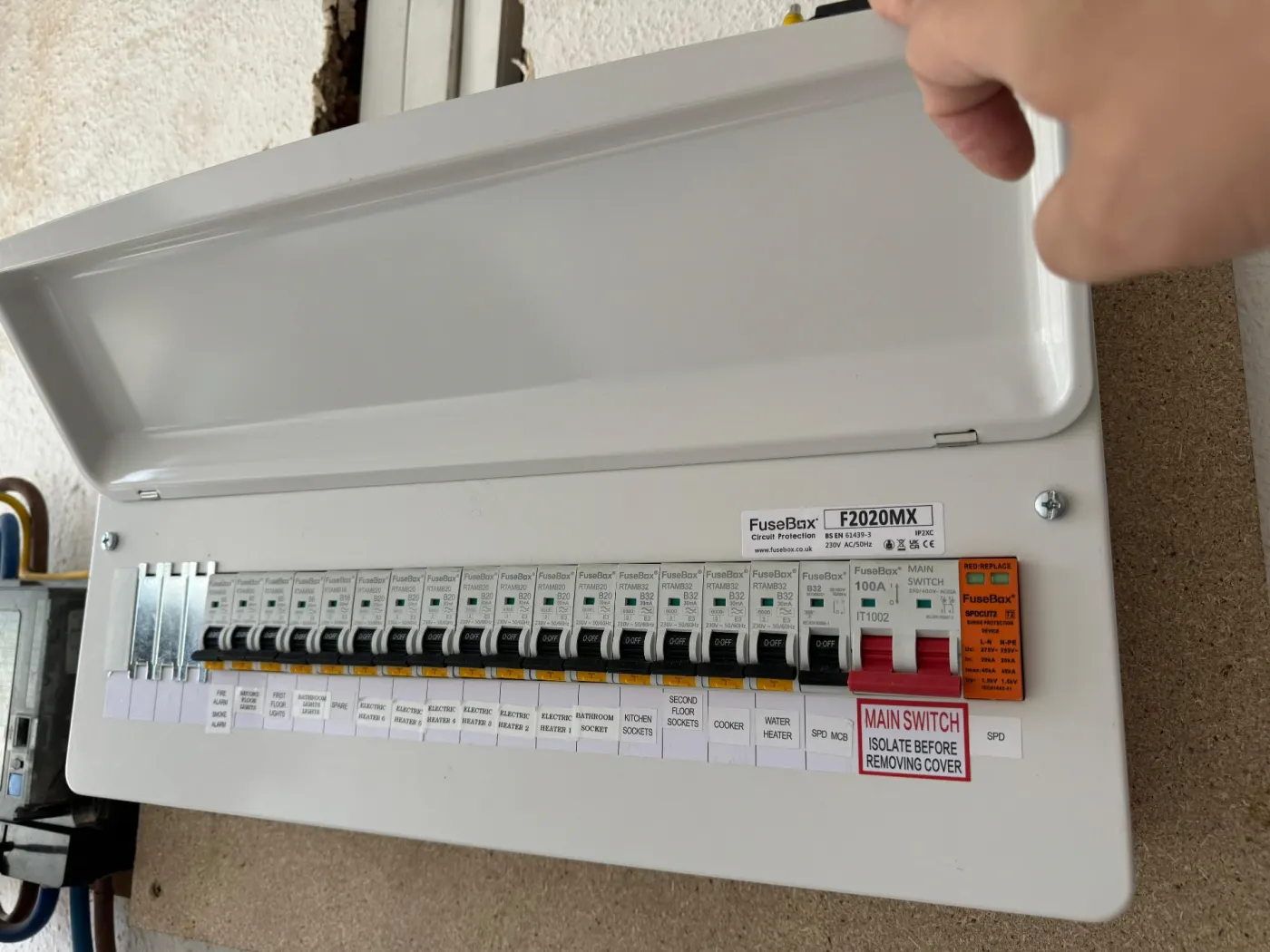
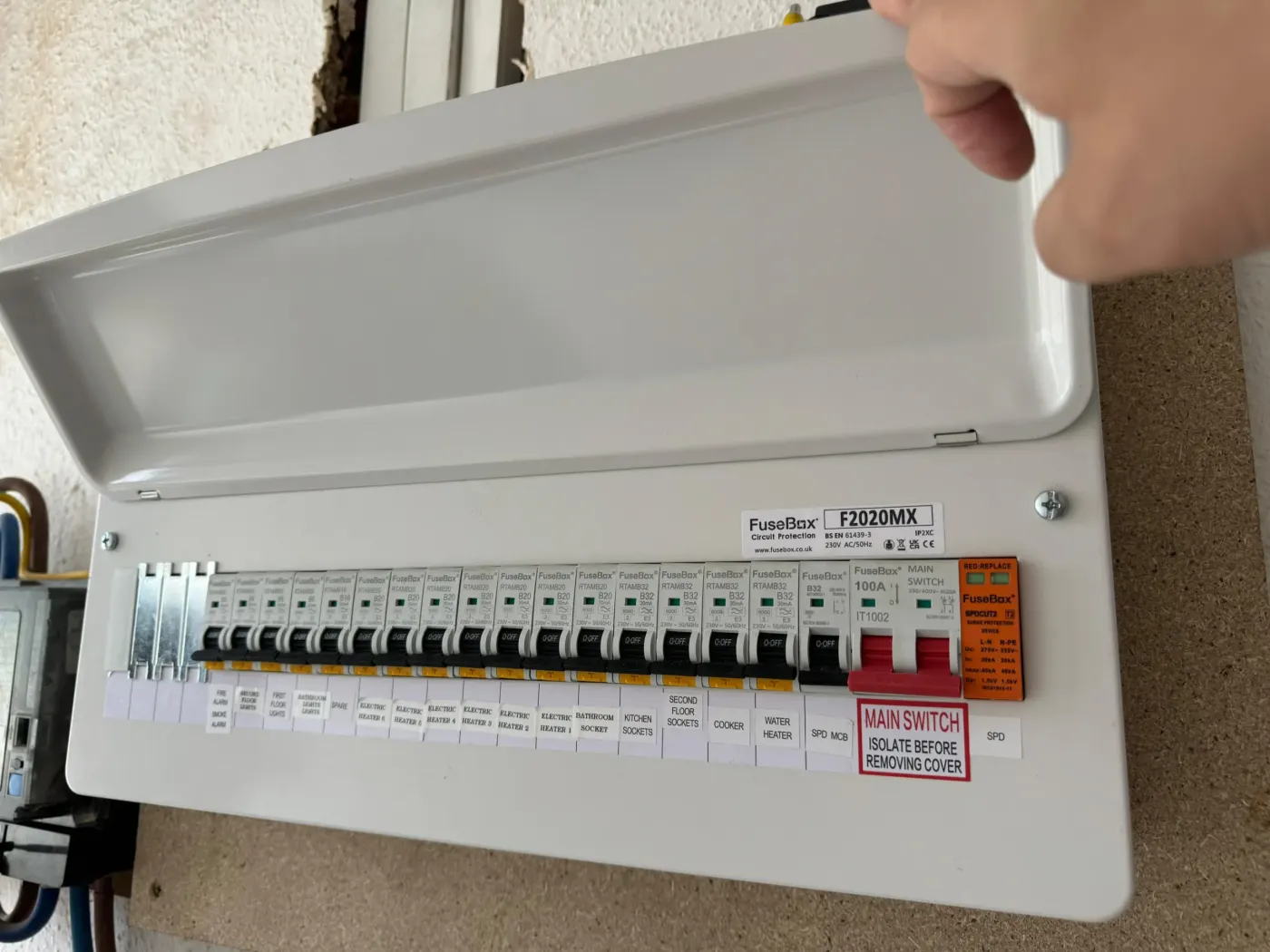
Reading your consumer unit (fuse board)
- 1Main switch. Turns off the power to the whole property. It rarely trips by itself.
- 2RCD. Protects a bank of circuits. If it's down, every circuit after it is off.
- 3Circuit breakers (MCBs). One per circuit, such as kitchen sockets or upstairs lights.
- 4Tripped. A switch pointing down has tripped. Here, only that one circuit is off.
Does every EV charger need a new consumer unit?
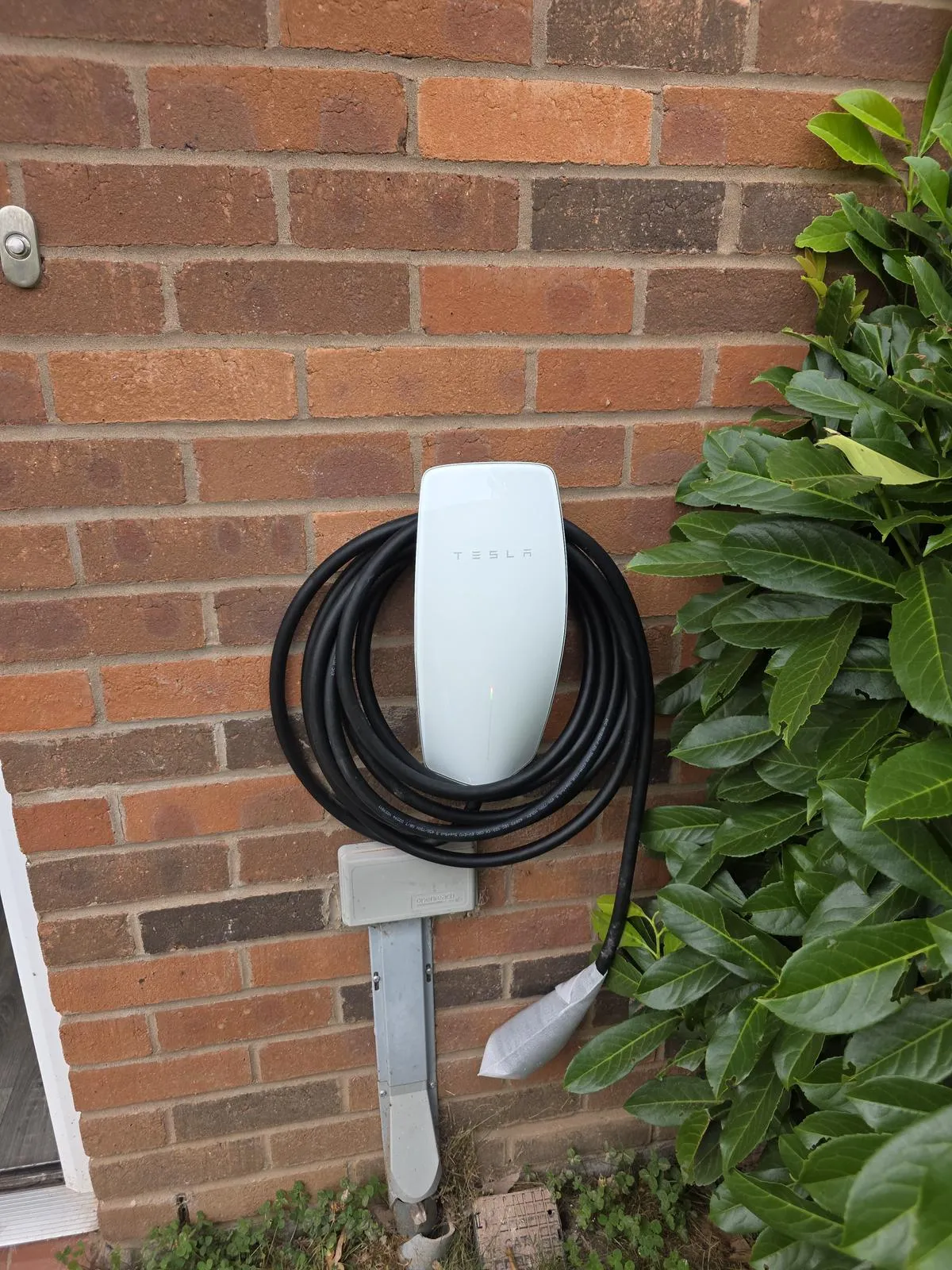
No. A home charger needs its own dedicated circuit from the consumer unit, and if the existing board can supply that circuit safely, it can stay. If it cannot, the board needs replacing or upgrading first.
The decision is made by an electrician after looking at the board, the supply and the intended charger location. It is not something that can be judged reliably from a photo or from the age of the house alone.
Is there a spare way or space in the board?
The charger circuit needs its own protective device in the consumer unit. If every way is used and there is no space to add one, the electrician has to either replace the unit with a larger one or add a small separate board.
Where the unit has spare capacity, the new circuit can often be added with little other change. Because adding a new circuit is notifiable work under Part P of the Building Regulations in England, the installer should notify it and provide certificates.
A charger circuit also needs a suitably rated cable and a protective device sized for the charger, so the electrician checks the route from the board to the charging point, whether that is a garage wall or an outside wall, and how far the cable has to run.
What RCD protection does an EV charger need?
Electric vehicle chargers can leak a smooth direct current into the circuit if a fault occurs, and that can stop an ordinary RCD from tripping. Under BS 7671 and the IET Code of Practice for EV Charging Equipment Installation, the charging circuit needs either a Type B RCD, or a Type A RCD combined with protection against DC fault current of 6 mA.
Many chargers include that 6 mA DC detection built in, in which case a Type A RCD or RCBO on the circuit is enough. If the charger does not include it, the consumer unit or a separate device must provide it. Your electrician will check which type your existing board uses and what the charger provides.
Where the existing board uses an older RCD type that is not suitable, or the circuit would sit behind an RCD shared with other circuits, upgrading is often the neatest fix.
Can the supply cope? Main fuse and maximum demand
A typical home charger draws a large current for hours at a time, and the electrician must make sure the main supply fuse and the cables can cope with the charger on top of everything else running in the house. This is called assessing the maximum demand.
Where the supply is limited, a charger with load management, sometimes called load curtailment, can reduce the charging current automatically when other equipment is using a lot of power. This often avoids the need for a supply upgrade.
If the demand cannot be managed that way, the network operator may need to be asked about the supply, though this is not common for a single home charger.
What about earthing, PME and open-PEN protection?
Many homes have a protective multiple earthing (PME) supply, where the earth is combined with the neutral in the supply cable. If that combined conductor were to break, an exposed metal part of a car being charged outdoors could become live relative to the ground.
BS 7671 therefore requires protection against this open-PEN fault for EV charging. Many chargers include this protection, which disconnects the supply if the voltage goes outside safe limits. If a charger does not, the installer may need to fit an earth electrode or choose a different solution.
Your electrician will identify the earthing arrangement at your property and choose a charger and a method that comply.
Does the condition of the existing board matter?
Yes. Even if there is space, the electrician must be happy with the unit itself. A board with rewireable fuses, no RCD protection, damaged parts or an old combustible enclosure is normally a reason to replace it rather than build a new circuit onto it.
It is sensible to do this at the same time as the charger installation, rather than adding a modern, high-load circuit to a board that is already below current standards. Our guide to the signs you need a new consumer unit lists what to look for.
Who tells the network operator?
The installer is responsible for notifying the distribution network operator (DNO) about the new charger. For most single home chargers this is a notification after installation, but where the supply may be strained, the operator may need to be consulted before the work starts. You do not usually need to contact them yourself.
The installer should also give you the certificates for the new circuit, and the notification under Part P where relevant.
If you are renting or live in a flat, speak to the landlord or managing agent first, because they may need to approve the installation and the position of the charger.
What is the next step?
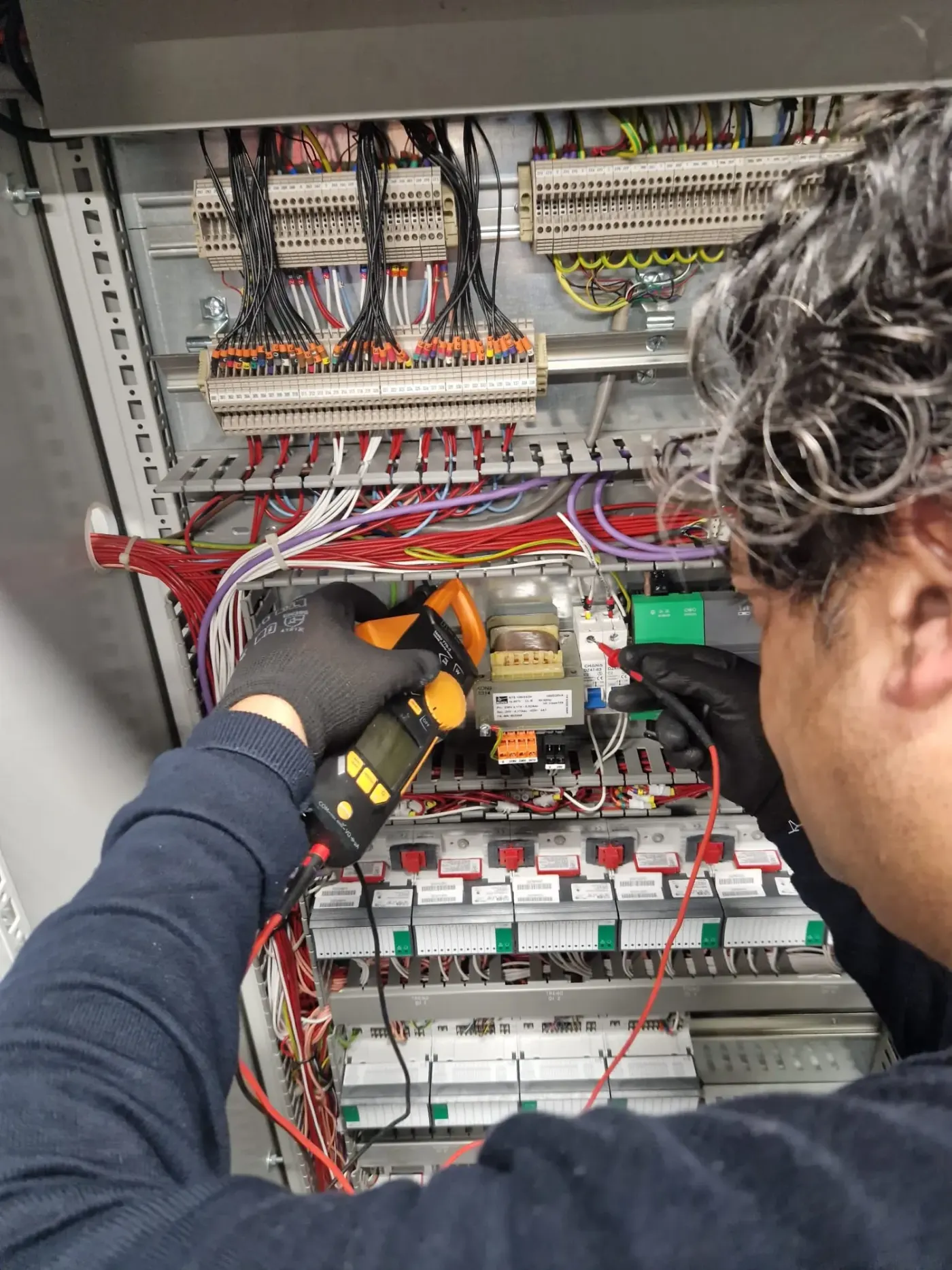
Have a qualified electrician survey the consumer unit, supply and charger location before you buy the charger, so that you know if a new board is needed. The survey also tells you where the charger can go and how the cable will run.
PowerArc is an electrical contractor covering East London and Essex, and we survey and install home EV chargers, including consumer unit upgrades where they are needed.
General information for homes in England, written by the electricians at PowerArc Ltd, Hornchurch. Last updated 16 October 2026. For advice on your own property, speak to one of our electricians.